Blog #Freshginger
Thailand Fresh Ginger
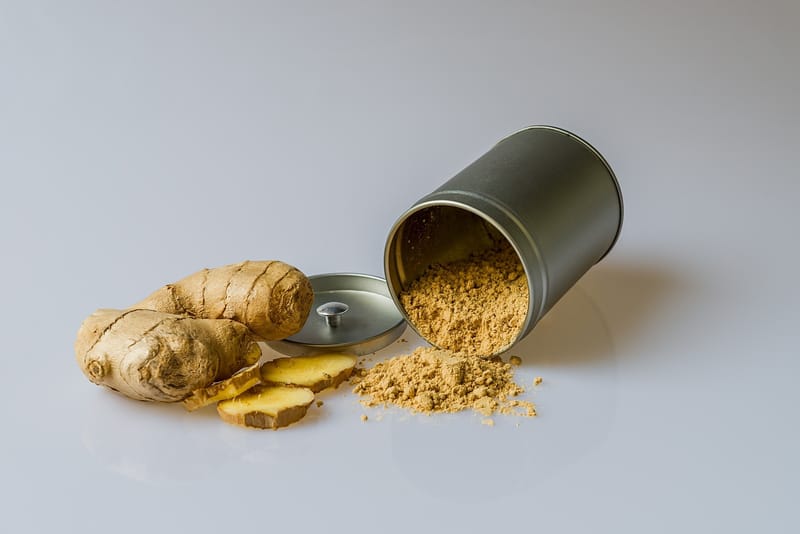
To help you make the most of your freshly harvested ginger, we have compiled a list of 12 unique recipes that use ginger as the main ingredient. These recipes include appetizers, entrees, and desserts, so you can experiment with ginger in a variety of ways. From ginger shrimp wontons to ginger and lime edamame hummus, these recipes are sure to add some spice and flavor to your meals.
Read More
Growing ginger is a fun and rewarding activity that can be shared with your community. Consider starting a ginger-growing club or sharing your tips on social media. You can also donate ginger rhizomes to a local community garden or school garden.
Read More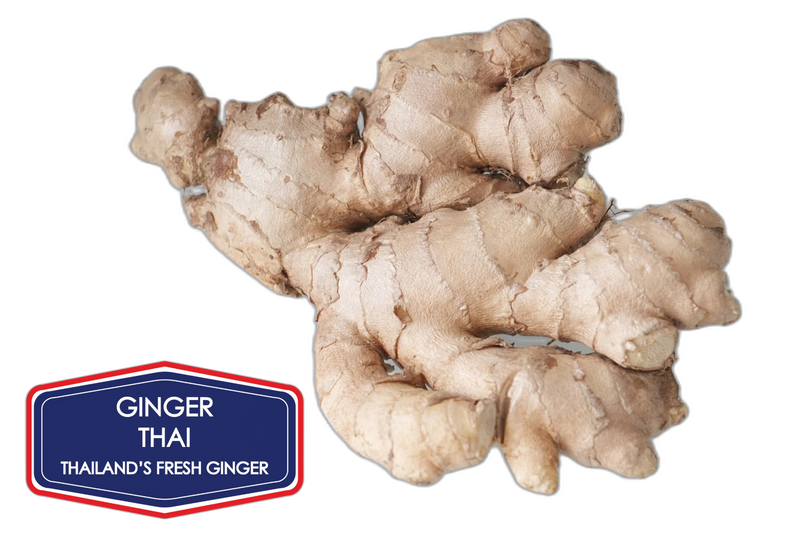
Growing ginger can be a rewarding experience, but it doesn't come without its challenges. One of the biggest obstacles to successful ginger production is managing pests and diseases. Here are some of the most common pests and diseases that you need to watch out for in ginger farming:
Read More
Thai ginger is also used in other Asian cuisines like Indonesian and Malaysian dishes. In Indonesian cuisine, it is used in meat and vegetable dishes, while in Malaysian cuisine, it is used in Malay curries and soups. The unique flavor profile of Thai ginger makes it a valuable addition to various cuisines.
Read More
Coconut Ginger Rice Pudding is a comforting and flavorful dessert that's perfect for cold nights. This rice pudding is infused with ginger and coconut milk and sweetened with sugar and honey.
Read More
Yes, you can adjust the spice level in these recipes to your liking. If you prefer less spice, reduce the amount of ginger or chili peppers. If you like it hotter, increase the amount of ginger or chili peppers. Keep in mind that Thai fresh ginger has a natural spiciness, so even a small amount can add a lot of heat to a dish.
Read More
Thai ginger has a slightly spicy flavor compared to regular ginger, but it is not as intense as other Thai spices like chili peppers. The heat level can vary depending on the freshness and age of the ginger, but generally, it is milder than other spicy ingredients used in Thai cuisine. If you're sensitive to spice, you can adjust the amount of ginger used in a recipe to your liking.
Read More
Incorporating Thai fresh ginger into your cooking can add a zesty and flavorful twist to your dishes. Whether you use it in stir-fries, soups, or desserts, fresh ginger is a versatile and healthy ingredient that can boost the flavor and aroma of your dishes. Don't be afraid to experiment with different Thai spices and ingredients to create new and exciting flavors in your cooking.
Read More
Yes, ginger can be grown in a pot at home. It requires a warm and humid environment and takes around 8 to 10 months to grow. Ginger can also be propagated from a piece of fresh ginger root.
Read More
While fresh ginger is generally preferred for its stronger flavor and higher nutrient content, dried ginger can also be used as a substitute in many recipes. However, it's important to note that dried ginger may not have the same health benefits as fresh ginger, so it's best to use fresh ginger whenever possible.
Read More
Yes, ginger's anti-inflammatory and antibacterial properties make it a great natural remedy for acne spot treatment. You can apply fresh ginger juice directly on the affected area or use a DIY ginger mask for a more deep-cleansing effect.
Read More
While fresh ginger is recommended for the best taste and highest nutritional value, ginger powder can be used as a substitute if fresh ginger is not available. Keep in mind that the taste and health benefits may vary, as fresh ginger has more essential oils and active compounds than ginger powder.
Read More