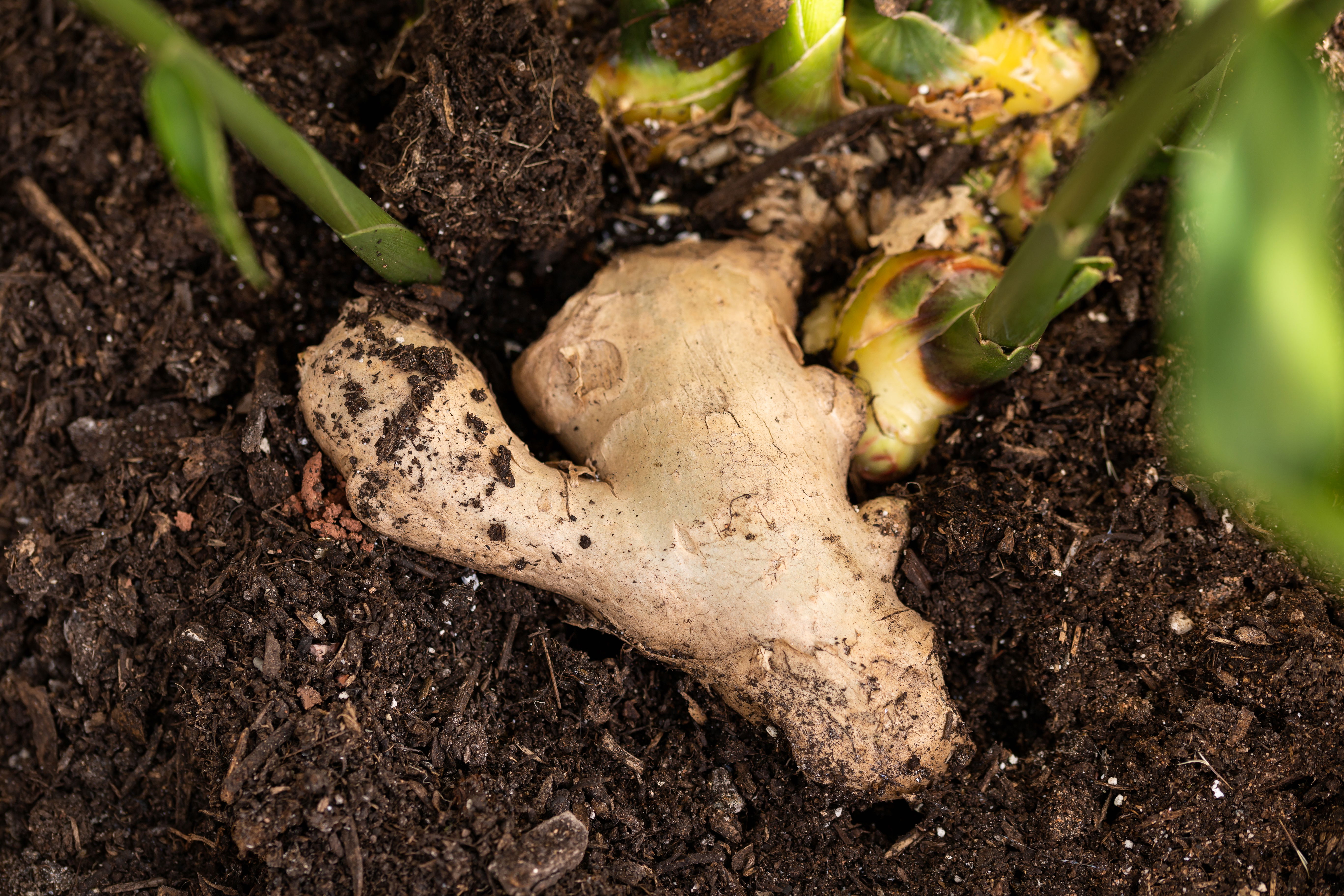
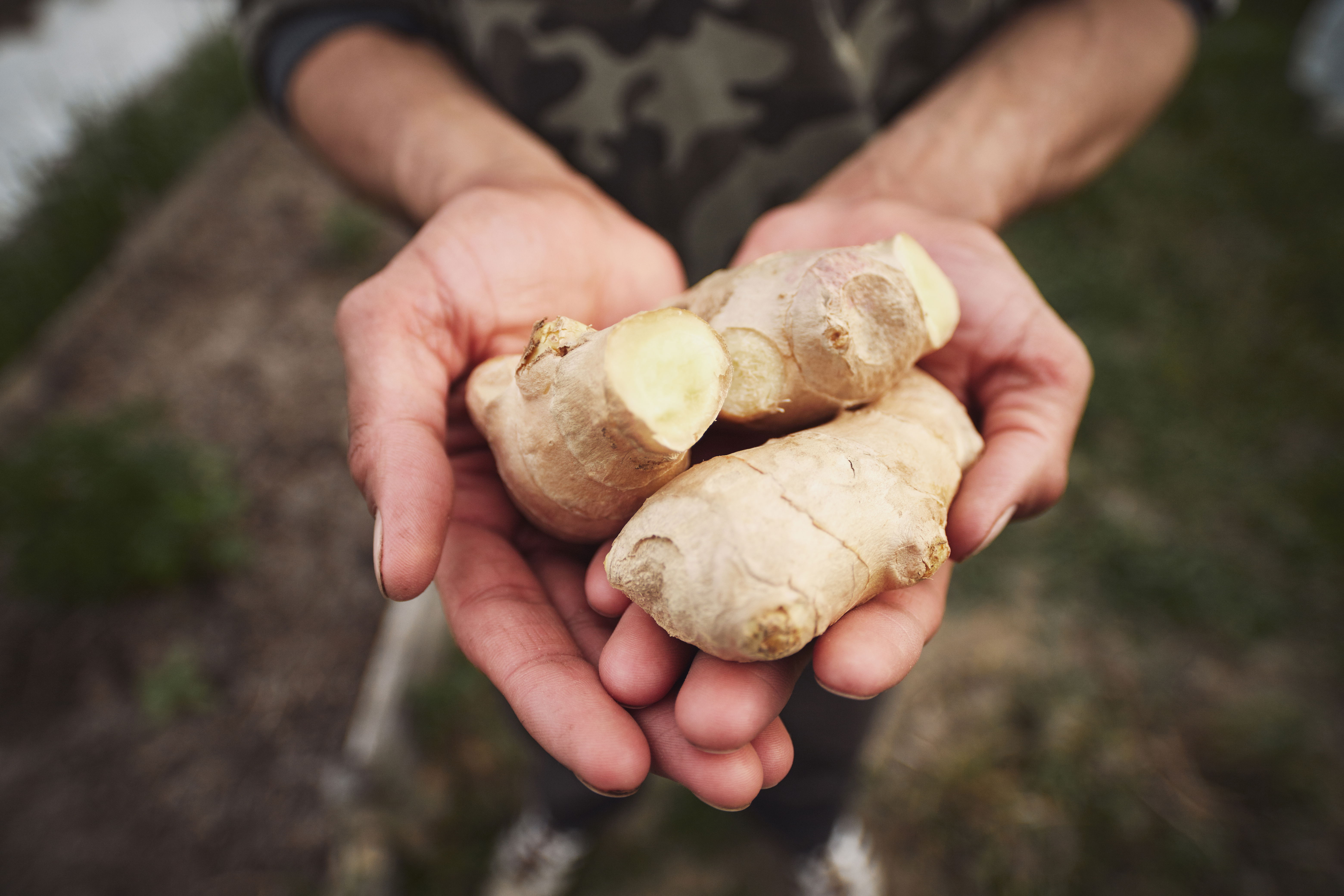
The fresh ginger supply chain in Japan has become a delicate dance of logistics, from field to fork.
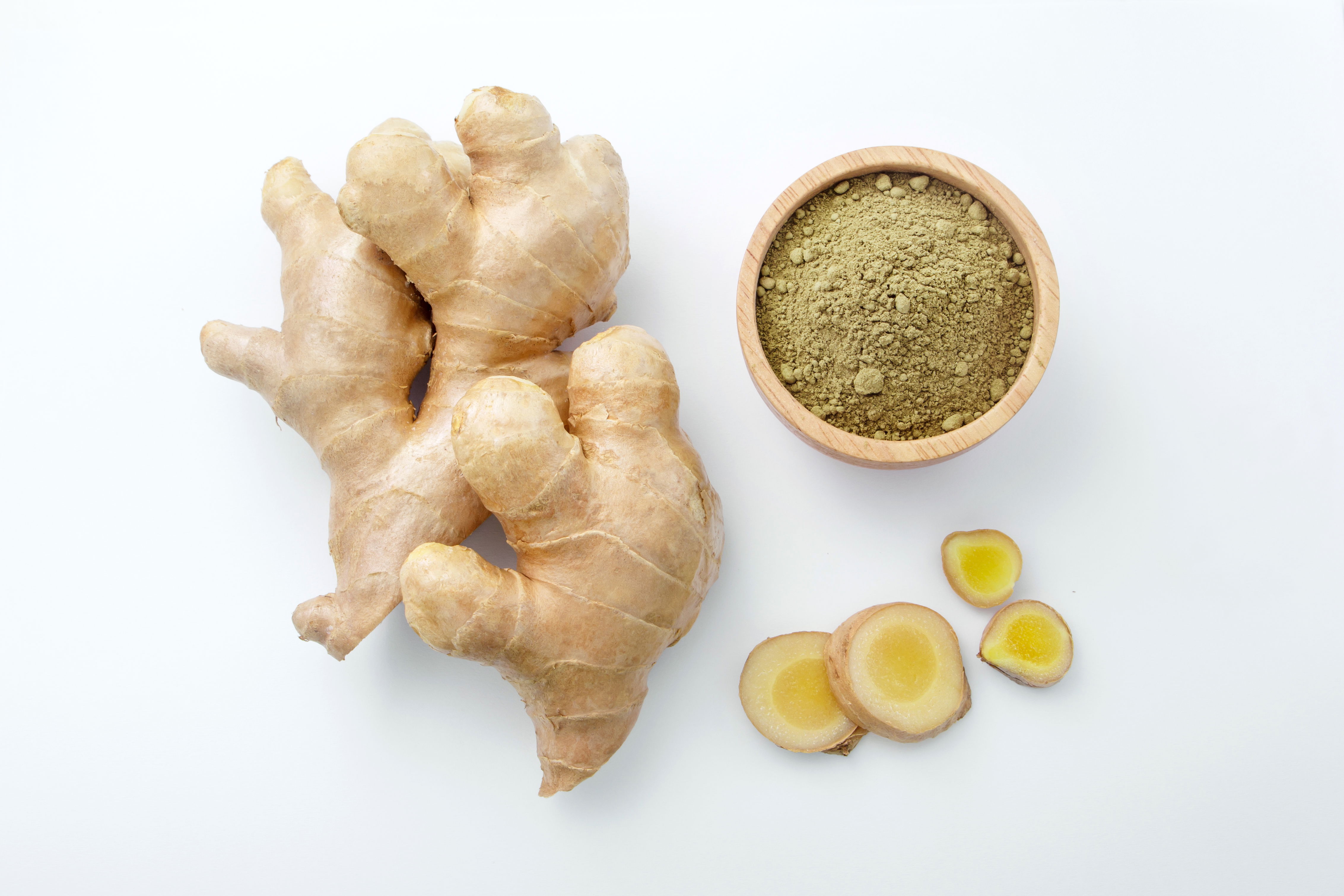
Fresh ginger has witnessed a remarkable surge in popularity in Japan, driven by a confluence of health consciousness, culinary innovation, and cultural appreciation. As consumers increasingly recognize the numerous health benefits associated with this versatile root, its presence in both traditional and contemporary dishes has expanded significantly. From boosting immunity to enhancing flavors, fresh ginger is becoming a staple in households and restaurants alike, prompting local farmers to adapt their practices to meet rising demand.
This article explores the booming fresh ginger market in Japan, examining its health benefits, cultivation trends, economic impact, and cultural significance, while also considering the challenges and future outlook for this thriving industry.
Overview of Fresh Ginger Market in Japan
Current Market Size and Growth Rate
The fresh ginger market in Japan has been on a spicy uptrend, with market size expanding impressively in recent years. Estimates suggest that the demand for fresh ginger has seen a steady growth rate of around 10% annually, propelled by rising health consciousness and a growing interest in culinary experimentation among Japanese consumers. Who knew that a humble root could cause such a bustling buzz?

Key Players in the Industry
When it comes to fresh ginger, the competition is fierce but friendly. Key players include both local Japanese farmers cultivating ginger in the countryside and major importers bringing in produce from countries like China and India. Their combined efforts ensure that there's always fresh ginger available, whether it’s for a traditional dish or the latest trendy health tonic. It’s a ginger-loving community, after all!
Regional Trends and Preferences
In the land of sushi and ramen, ginger’s role varies from region to region. While some areas prefer their ginger zingy and fresh for pickling, others like it more subdued, using it as a flavor enhancer in soups and stews. Additionally, urban areas, especially Tokyo, are showing a burgeoning interest in artisanal ginger products, proving that trends can be as spicy as they are diverse!
Health Benefits Contributing to Popularity
Nutritional Profile of Fresh Ginger
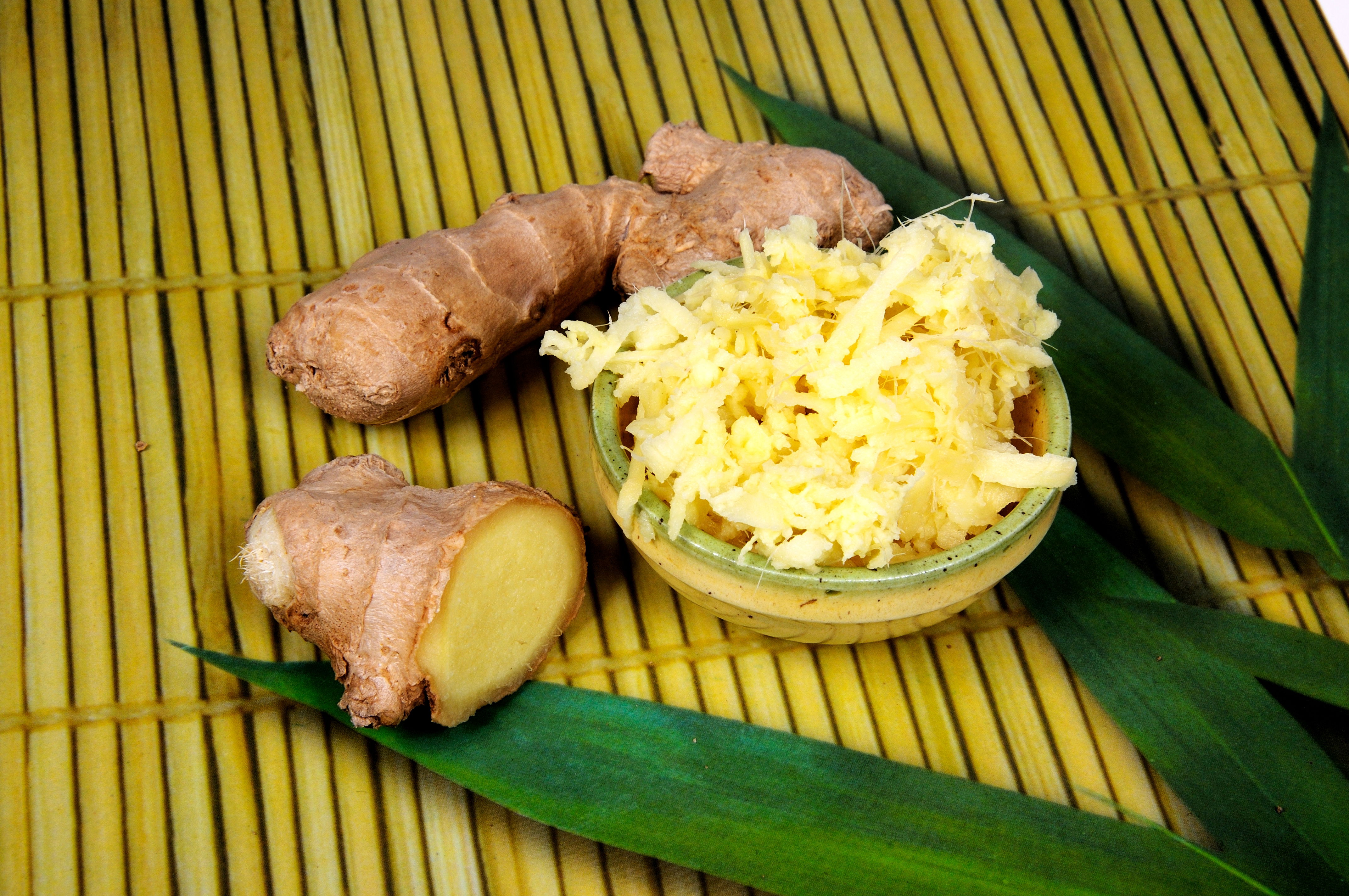
Fresh ginger is not just a culinary superstar; it also packs a nutritional punch! It's low in calories but high in essential nutrients, including vitamin C, magnesium, and potassium. Plus, it’s a great source of antioxidants and anti-inflammatory compounds. So, whether you’re adding it to your stir-fry or sipping on ginger tea, you’re doing your body a favor!
Medicinal Properties and Uses
Ginger has been a go-to remedy for generations, known for its ability to ease nausea, reduce muscle pain, and fight the common cold. With its anti-inflammatory properties, it’s like nature’s very own medicine cabinet! The growing body of research confirming these benefits has further fueled its popularity among health-conscious Japanese consumers—everyone wants to be one step ahead of the sniffles!
Consumer Awareness and Education
As more Japanese consumers embrace healthy living, the demand for information on the benefits of fresh ginger has surged. Social media, cooking shows, and health blogs are all abuzz with ginger goodness, educating the masses on how to incorporate this root into their diets. With workshops and seminars popping up, it’s clear that consumers are keen to ginger-fy their lives with knowledge!
Cultivation and Sourcing Trends
Domestic vs. Imported Ginger
The debate over domestic versus imported ginger is as lively as a Japanese summer festival. While domestic ginger, prized for its quality and flavor, is favored by many chefs, imported ginger often leads the charge in terms of availability and price. Consumers are becoming more discerning, seeking to balance quality with cost, and thus the market for both continues to thrive.
Organic and Sustainable Farming Practices
In an age where sustainability reigns supreme, organic ginger farming is gaining traction. Many Japanese farmers are adopting eco-friendly practices that not only yield high-quality produce but also respect the earth. Whether it’s through regenerative agriculture or reducing chemical inputs, the emphasis on sustainable ginger cultivation is turning this root into a hero for both health and the environment.
Climate Impact on Production
Climate change is the unwelcome guest at every garden party, including ginger cultivation. Fluctuating weather patterns and rising temperatures can affect yield and quality, posing challenges for farmers. However, innovative practices and resilient seed varieties are emerging as essential tools to combat these climatic woes, ensuring that fresh ginger remains a staple in Japanese kitchens for years to come.
Culinary Uses and Innovations
Traditional Japanese Dishes Featuring Ginger
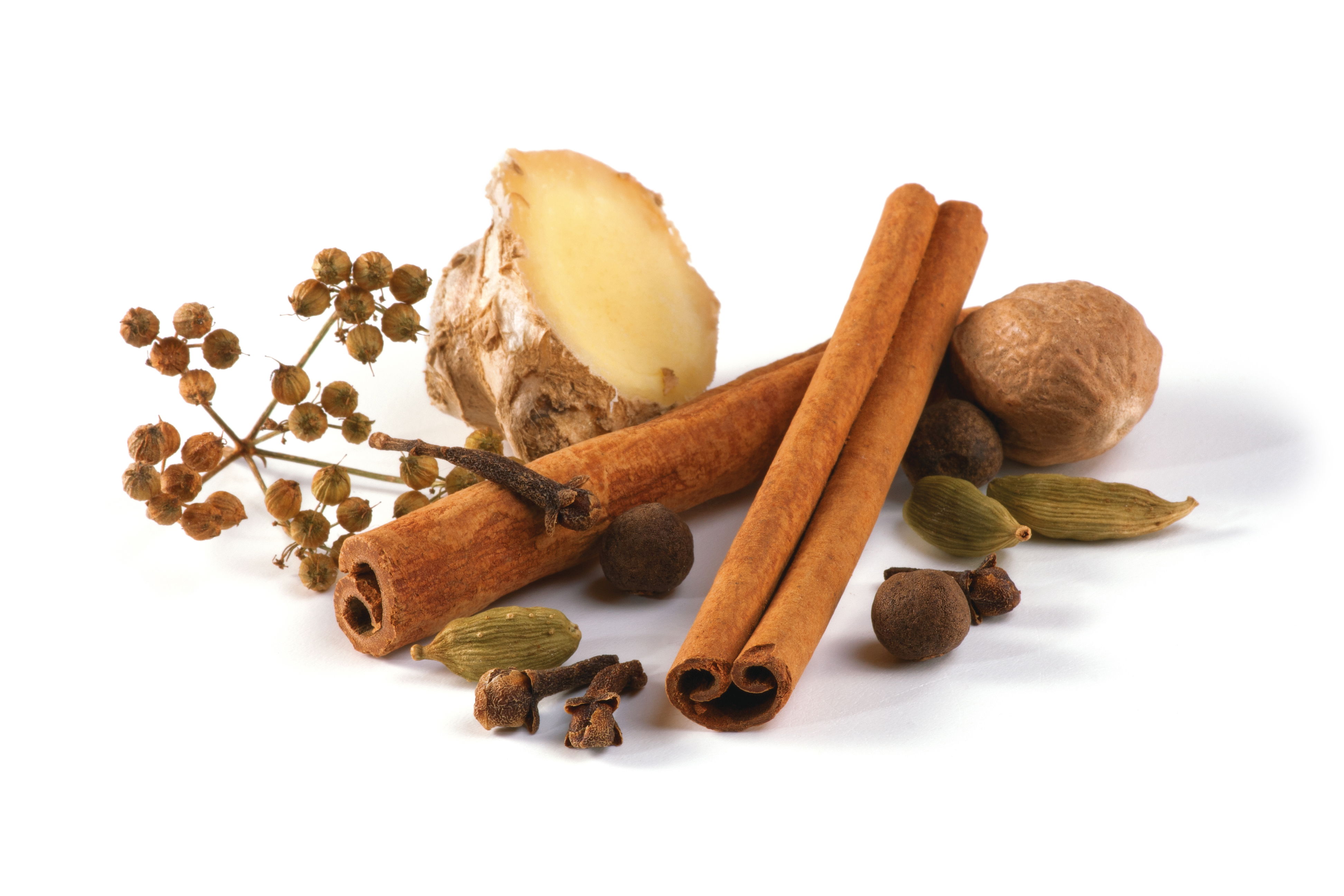
In traditional Japanese cuisine, ginger is a beloved ingredient, acting as a zesty companion to dishes like gyudon (beef rice bowl) and nikujaga (meat and potato stew). It’s often pickled as "gari" and served alongside sushi, offering a refreshing bite that cleanses the palate. It’s safe to say, ginger has carved quite the niche for itself on the Japanese dining table!
Modern Culinary Trends and Fusion Cuisine
As culinary creativity kicks into high gear, ginger is finding its way into innovative dishes that blend tradition with modern flair. Chefs are experimenting with ginger-infused sauces, desserts, and even gourmet street food. With fusion cuisine taking center stage, it’s exciting to see how this versatile root can elevate both classic and contemporary plates!
Ginger in Beverages and Health Foods
From ginger ale to artisanal ginger-infused teas, beverages featuring this root are popping up all over Japan. Additionally, health food products like ginger shots and smoothie blends are becoming all the rage, marketed as quick and tasty health boosts. With consumers increasingly seeking nutritious alternatives, ginger is making waves not just in meals, but also in our daily drinks!
Economic Impact on Local Farmers
Market Opportunities for Local Growers
With the recent surge in demand for fresh ginger, local farmers in Japan are striking gold—quite literally, if they play their cards right. The health and wellness trend has propelled ginger into the spotlight, transforming it from a humble ingredient to a sought-after superfood. Farmers are capitalizing on this trend by diversifying their crops and tapping into both domestic and international markets. Thanks to the rise in popularity of organic products, those growing ginger with sustainable practices are finding themselves particularly in demand, allowing for a positive ripple effect across local economies.
Supply Chain Dynamics
The fresh ginger supply chain in Japan has become a delicate dance of logistics, from field to fork. Local farmers are establishing networks that connect them directly to markets, restaurants, and even online consumers. This shift is reducing the number of intermediaries, allowing growers to pocket more profits while ensuring fresher produce reaches consumers. However, it’s not all smooth sailing; maintaining quality control and timely deliveries is paramount, especially if farmers want to avoid the dreaded “ginger emergency” when a sudden demand spike occurs.
Government Support and Initiatives
The Japanese government has hopped onto the ginger bandwagon, providing support and initiatives to boost this burgeoning industry. Through grants, subsidies, and educational programs, authorities are encouraging farmers to adopt modern cultivation techniques and sustainable practices. Initiatives aimed at promoting ginger’s health benefits and culinary versatility are also on the rise, giving farmers a helping hand in securing their place in the market. It seems the government has recognized that a nation with a strong ginger industry is a flavorful nation indeed!

Challenges Facing the Fresh Ginger Industry
Pest and Disease Management
No farmer’s life is complete without a few uninvited guests, and fresh ginger is no exception. Pests and diseases can wreak havoc on ginger crops, requiring farmers to be vigilant in their management strategies. From root rot to pesky aphids, the challenges are many. The use of integrated pest management (IPM) techniques is becoming more common, helping farmers balance effective pest control with environmental sustainability. It’s a constant battle, but with the right practices, ginger farmers can ward off the villains of the vegetable world.
Market Competition and Pricing Pressures
As the fresh ginger craze continues to spread, competition among growers is heating up. With more farmers entering the market, pricing pressures are inevitable. Consumers love a good deal, so it’s essential for growers to find that sweet spot between being competitive and maintaining profitability. The rise of imports from other countries adds another layer of complexity to the pricing debate. Local farmers must be savvy in their marketing strategies, emphasizing quality, freshness, and the unique flavors of Japanese ginger to stand out from the crowd.
Environmental Concerns
With great ginger powers come great environmental responsibilities. The increased demand for fresh ginger raises concerns about sustainable farming practices and the environmental impact of large-scale cultivation. Issues such as soil degradation, water usage, and pesticide run-off must be addressed to ensure that the industry can thrive without compromising the ecosystem. Many farmers are adopting more sustainable practices, but the balance between profitability and environmental stewardship remains a tightrope walk, requiring careful consideration from all stakeholders.
Future Outlook and Market Projections
Predicted Growth Trends
The future of the fresh ginger market in Japan is looking zesty, with many experts predicting robust growth in the coming years. As health-conscious consumers continue to embrace natural ingredients, the demand for fresh ginger is expected to skyrocket. Market analysts project a steady increase in both domestic consumption and exports, ensuring that this spicy root remains a staple on tables far and wide. So grab your ginger tea while you can—it's only going to get more popular!
Emerging Markets and Opportunities
As the world starts to warm up to the idea of fresh ginger, emerging markets present exciting new opportunities for Japanese farmers. Regions in Asia, Europe, and North America are opening their doors to this flavorful root, creating a demand that can be met by local growers. Additionally, the rise of online food delivery services is making it easier for farmers to connect with consumers, expanding their reach beyond traditional borders. With opportunities blooming, it’s a promising time to be in the ginger game.
Technological Innovations in Agriculture
The ginger industry is not just about skillful hands in the dirt—it's increasingly influenced by high-tech solutions. From precision agriculture tools that optimize planting conditions to AI-driven pest detection systems, technology is revolutionizing how farmers grow and manage their ginger crops. Innovations like hydroponic growing systems are also gaining ground, allowing for year-round cultivation in controlled environments. As technology continues to advance, the fresh ginger market is likely to see significant efficiency gains and improved crop quality, making for a bright future.
Cultural Significance of Ginger in Japanese Cuisine
Historical Context and Uses
Ginger isn’t just a trendy superfood in Japan; it has deep roots in the nation’s culinary history. Used for centuries both for flavor and as a medicinal herb, ginger has made its mark in traditional dishes like sushi and pickled ginger (gari). Its zesty kick adds not just flavor but also a cultural connection to Japan’s rich food heritage. The evolution of ginger’s role in cooking showcases how this spice has transitioned from a necessity to a beloved ingredient, influencing generations.
Ginger in Festivals and Traditions
Ginger’s role in Japanese culture stretches beyond the kitchen and into celebrations. Used in various festivals and traditional ceremonies, ginger is often seen as a symbol of health and vitality. Its inclusion in special dishes during New Year celebrations highlights its significance in wishing for good fortune. As a beloved ingredient, ginger has woven itself into the fabric of Japanese traditions, making it an essential component of festive feasts and joyous gatherings.
Influence on Health and Wellness Practices
In Japan, ginger is revered not only for its culinary prowess but also for its health benefits. From aiding digestion to warding off colds, this spice is a go-to in wellness practices. Traditional remedies often incorporate ginger, reflecting the Japanese belief in food as medicine. With the rise of health trends, ginger-infused products such as teas and supplements are gaining traction, further solidifying its status as a health booster. As more people seek natural alternatives for wellness, ginger continues to hold a treasured place in Japanese society.
In conclusion, the burgeoning market for fresh ginger in Japan reflects a blend of health awareness, culinary creativity, and deep-rooted cultural significance. As consumer demand continues to rise, local farmers and producers are poised to benefit from this trend, while also facing challenges that require innovative solutions. The future of fresh ginger in Japan looks promising, with opportunities for growth and sustainability, making it an exciting time for both consumers and those involved in its cultivation. As ginger solidifies its place in Japanese cuisine and lifestyle, its impact will undoubtedly resonate for years to come.

FAQ
What are the health benefits of fresh ginger?
Fresh ginger is known for its anti-inflammatory and antioxidant properties, which may help boost immunity, aid digestion, and alleviate nausea. It is also commonly used to relieve muscle pain and soreness.
How is fresh ginger cultivated in Japan?
In Japan, fresh ginger is often grown in warm, humid climates, with farmers utilizing traditional and sustainable practices. Organic farming methods are also becoming more prevalent as consumers seek high-quality, chemical-free products.
What are some popular culinary uses for fresh ginger in Japanese cuisine?
Fresh ginger is commonly used in traditional dishes such as sushi, stir-fries, and marinades. It is also popular in beverages like ginger tea and is increasingly featured in modern fusion recipes.
Are there any challenges facing the fresh ginger market in Japan?
Yes, challenges include pest and disease management, competition from imported ginger, and environmental concerns related to cultivation practices. Farmers must adapt to these challenges while meeting rising consumer demand.