Blog #Bangkok
Thailand Fresh Ginger


Yes, there is a growing market for fresh ginger in Qatar due to the increasing demand for locally-sourced and healthy ingredients
Read More

Thai ginger is known for its superior quality and unique taste, making it a preferred option for both households and restaurants.
Read More
The future of fresh ginger in Fiji Island is bright. The government's commitment to research and development, infrastructure development, and sustainable practices will ensure the longevity and growth of the industry
Read More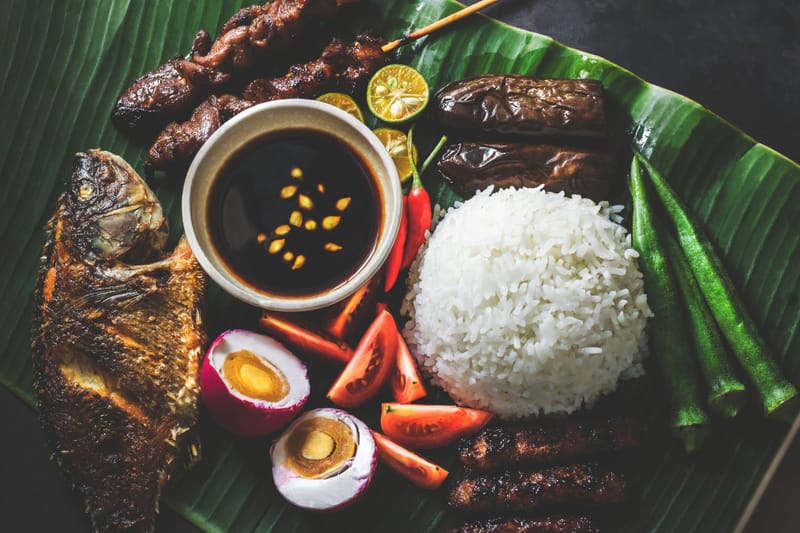
Fresh Ginger is a common ingredient in both Filipino and Thai cuisine, but its cultural significance goes beyond just adding flavor to dishes.
Read More
Yes, Thai fresh ginger is widely available in New Zealand, with many specialty stores and supermarkets stocking it.
Read More
Thai fresh ginger, also known as galangal, has become a staple ingredient in Singaporean cuisine.
Read More
Additionally, the rising popularity of Thai cuisine around the world has contributed to the demand for Thai ingredients, including fresh ginger.
Read More
Fresh ginger is a staple ingredient in Nepalese cooking and can be found in a wide range of dishes, from meat-based curries to vegetarian stews and chutneys.
Read More
Overview of Sri Lanka's Import Demand for Fresh Ginger, The Sri Lankan fresh ginger market has significant growth potential due to the increasing demand both domestically and internationally.
Read More
Thai ginger is competitively priced compared to other suppliers, making it an attractive choice for Indonesian buyers.
Read More