Malaysia plays a modest but growing role in the global fresh ginger export landscape.
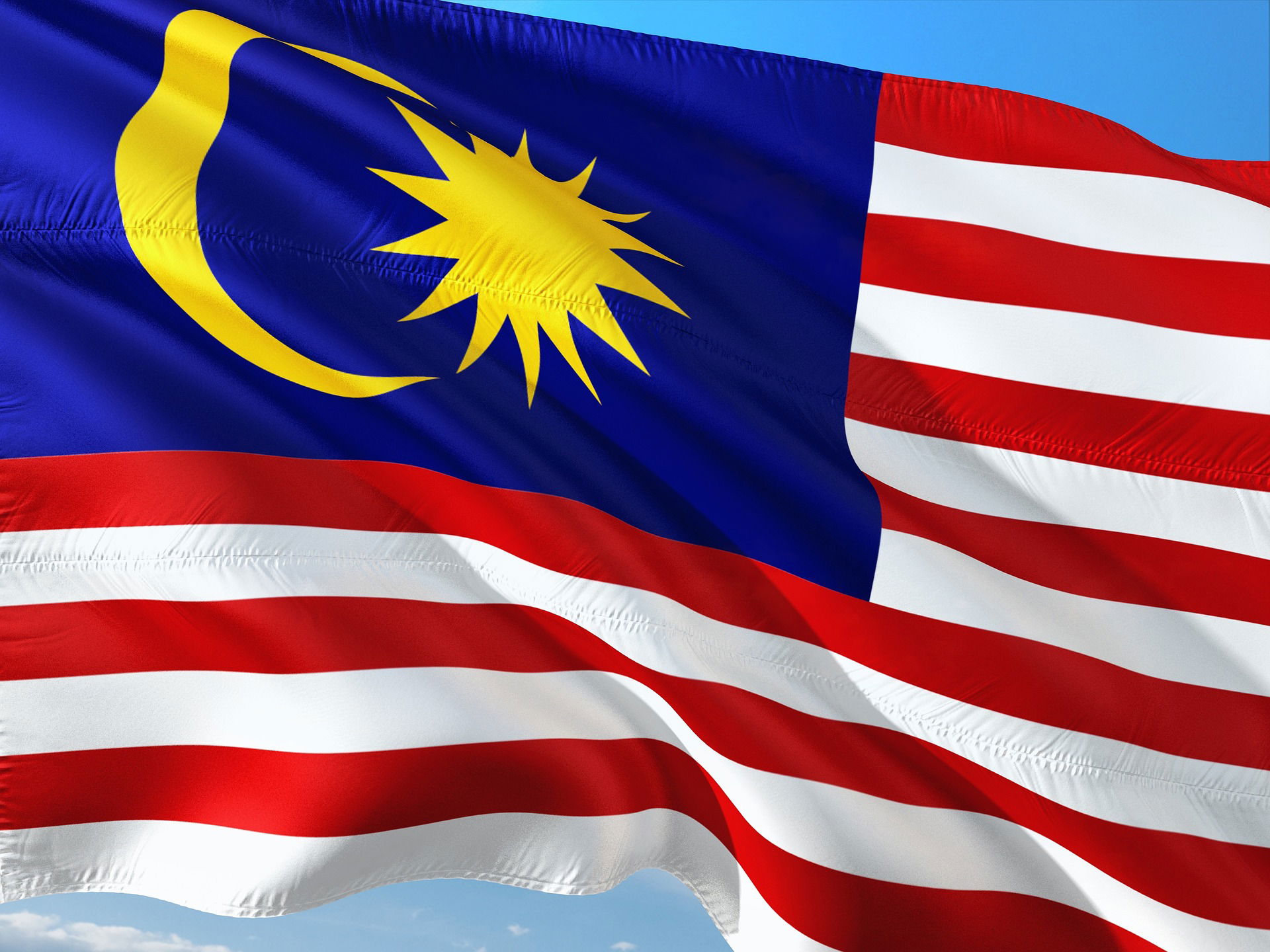
Malaysia’s Fresh Ginger Export Dynamics:
A Case Study Overview of Malaysian Ginger Trade
Malaysia plays a modest but growing role in the global fresh ginger export landscape. While not among the world’s largest producers, Malaysia’s export of fresh ginger has grown markedly in value over recent years, reflecting stronger trade links — particularly within Southeast Asia.
According to global trade classifications (HS code 091011: Ginger, neither crushed nor ground):
In 2023, Malaysia’s fresh ginger exports were valued at approximately USD 3.3 million, with Singapore as the dominant destination, followed by Brunei, the United States, Indonesia, and Vietnam.
World Integrated Trade Solution
In 2024–2025, export volumes were around 1.76 million kg worth about USD 2.6 million, with Singapore accounting for the overwhelming majority of shipments.
World Integrated Trade Solution
This export performance places Malaysia roughly 18th globally in total ginger export value — well behind major producers but significant for the Southeast Asian region.
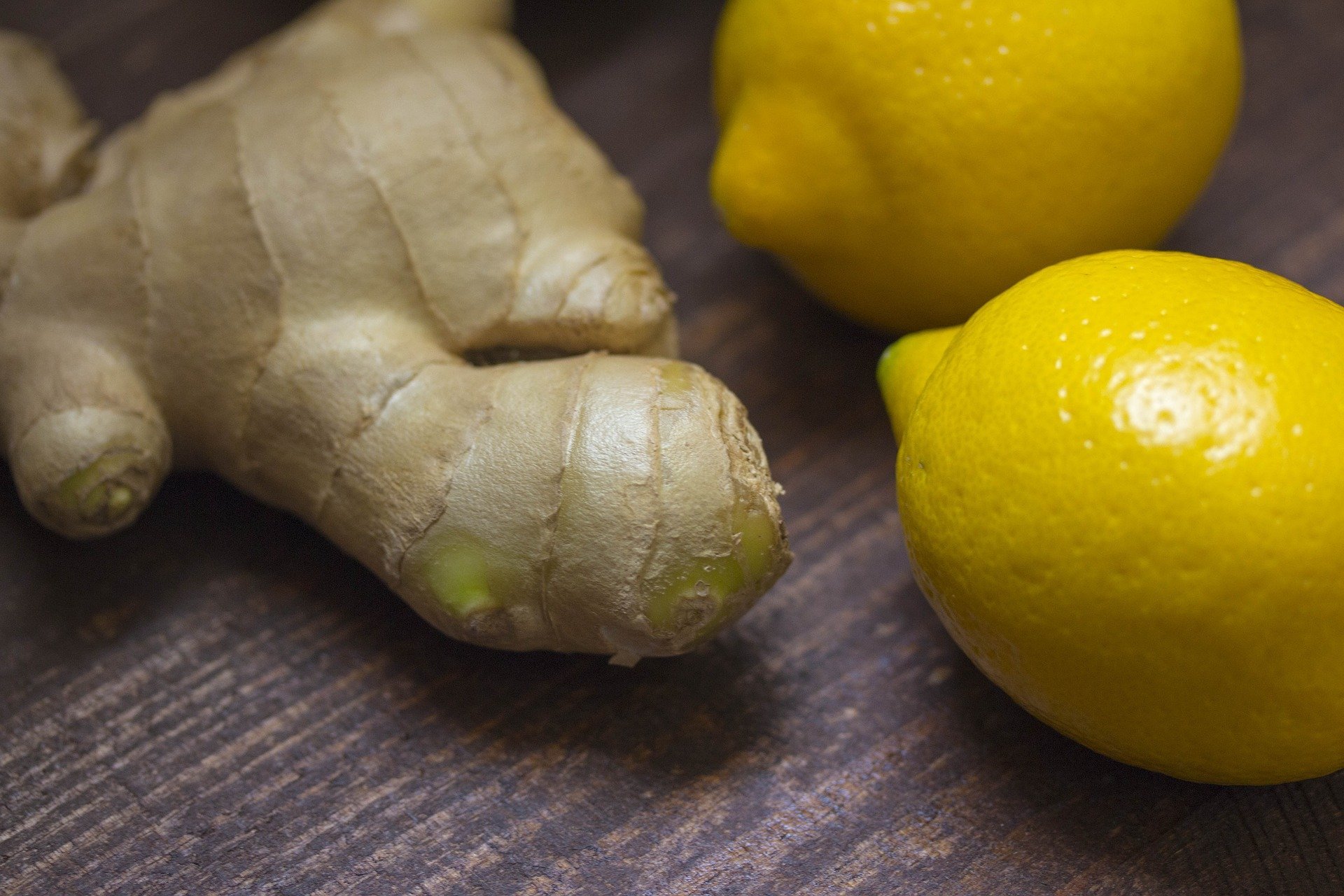
Top Export Destinations Malaysia’s fresh ginger exports are highly regionally concentrated: Singapore — by far the largest importer, comprising the bulk of Malaysia’s ginger exports (millions of kilograms annually).
World Integrated Trade Solution
Brunei — the second-largest importer by value and volume.
World Integrated Trade Solution Other markets — smaller quantities are sent to the United States, Indonesia, Thailand, Australia, Vietnam, Hong Kong and Japan.
World Integrated Trade Solution
This pattern reflects geographic proximity and strong economic links within ASEAN, as well as demand in premium markets such as Singapore and niche shipments to Western destinations.
Export Growth and Trends
Malaysia’s ginger export value has demonstrated impressive growth over the past five years:
From roughly USD 0.8 million in 2019 to over USD 3.2 million in 2023 — a near 300 % increase in value.
Even as domestic production has declined from historical peaks (earlier estimates show production falling over time), exports have continued to climb — likely reflecting improvements in logistics, targeted trade relationships, and stronger demand from Singapore.
Additional data platforms tracking Malaysian shipments indicate strong export activity, with tens of thousands of ginger export shipments documented over recent 12-month rolling periods.
Signals Export pricing for Malaysian ginger remains linked closely to movements in Singapore and regional market conditions:
Average FOB (free-on-board) ginger export prices in 2025 revolved around USD 1,300–1,500 per ton, influenced by fluctuations in demand and supply conditions.
Index Box Price stability is crucial for ensuring exporters remain competitive relative to major suppliers like China, Thailand, and Indonesia, which dominate global volumes. Challenges Facing Malaysian Ginger
Exports Despite recent growth, several structural challenges constrain Malaysia’s broader competitiveness in global ginger markets:
Limited production base: Compared to giants like China and India, Malaysia’s ginger agricultural output remains relatively small.
Supply constraints: Malaysian producers often face seasonal variability and land use competition with other high-value crops.
Import dependence: Malaysia itself imports substantial quantities of ginger (over 70 000 tons valued at ~$57 million in 2023), mainly from China and Thailand, underscoring a net import position in supply.
These factors mean that, while exporting, Malaysia must balance its internal demand for ginger with external sales.
Opportunities and Strategic Directions
Despite limitations, Malaysia’s ginger export sector holds several opportunities:1. ASEAN Integration and Regional Supply ChainsMalaysia’s proximity to high-demand markets (e.g., Singapore, Brunei) and participation in ASEAN trade frameworks support easier market access and reduced trade frictions.2. Premium and Value-Added Ginger Products Developing specialty varieties (e.g., organic ginger) or processed ginger products could help Malaysian exporters access higher-value segments in Europe and North America.
Export Platform
Growth Emerging digital export platforms and marketplaces are helping Malaysian suppliers connect with international buyers, indicating growing B2B demand for Malaysian ginger and related agricultural products.

Conclusion:
Malaysia’s Niche Role in Global Ginger Trade
While Malaysia does not rival major world exporters like China, India, or Peru, its fresh ginger export story illustrates important themes of regional integration, export diversification, and value growth. Strategic relationships — especially with Singapore — have anchored Malaysia’s export performance, even as domestic production evolves.
With targeted investments in quality, supply chain efficiency, and value-added processing, Malaysia can continue to strengthen its role within Southeast Asia’s fresh ginger trade and gradually increase its footprint in broader global markets.