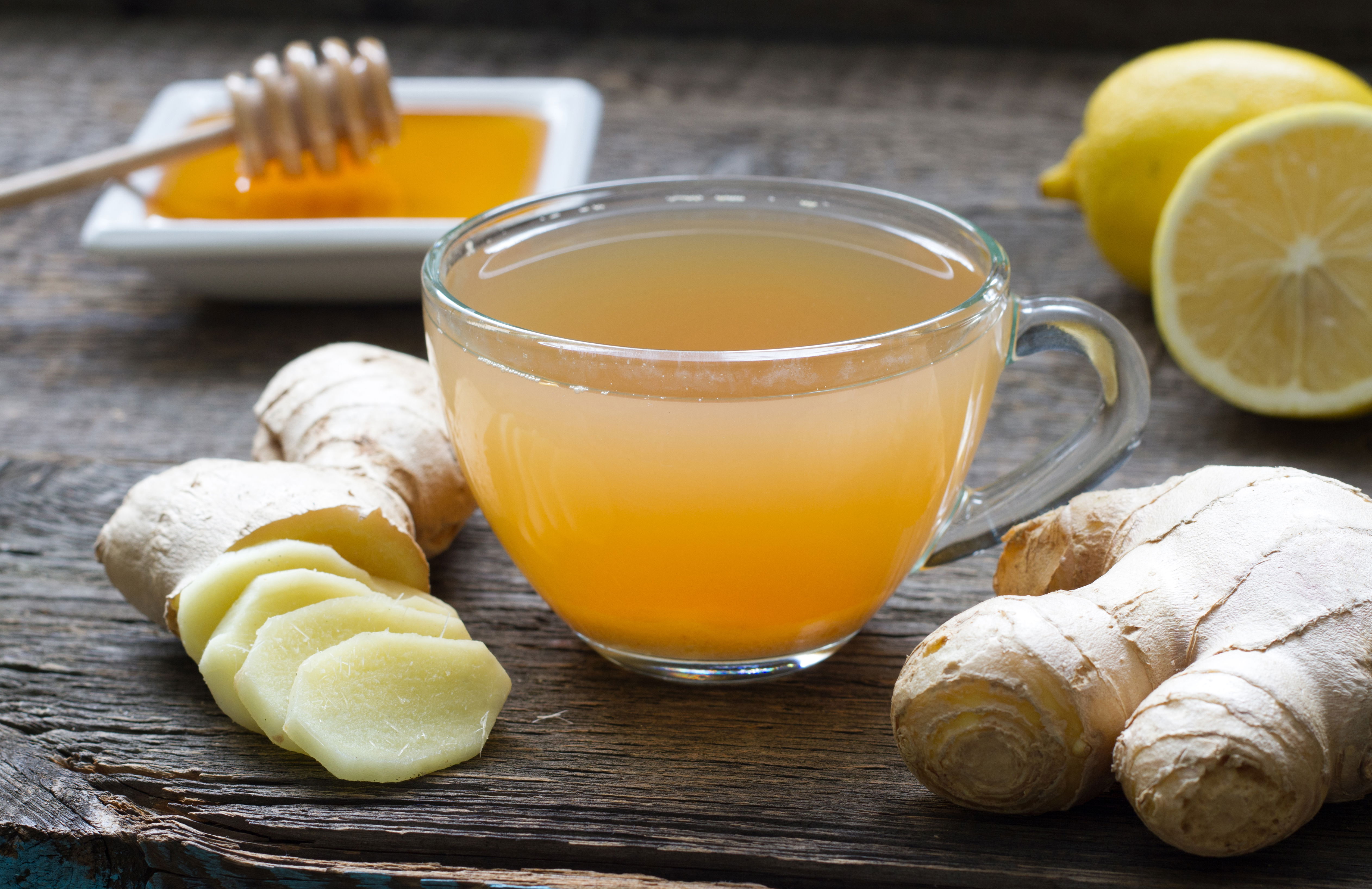
Bringing Thai Fresh Ginger to the Global Stage in 2026
Bringing Thai Fresh Ginger to the Global Stage in 2026: A Strategic Roadmap
Thailand is no stranger to the international spice trade. While historically recognized for products like rice, rubber, and tropical fruits, Thai fresh ginger – with its aromatic intensity, culinary versatility, and health benefits – is increasingly in demand beyond Asia’s kitchen tables. But Thailand’s current global footprint remains modest compared with giants like China and India. As we approach 2026, there’s a clear opportunity to expand Thailand’s position in the global ginger market with focused strategy, innovation, and export promotion.
Thailand’s Ginger Export Landscape Today
Export Data & Market Position
In 2024, Thailand exported approximately 96.5 million kilograms of ginger valued at about USD 80.6 million, making it one of the top five ginger exporters globally. China leads the world by a large margin, followed by the Netherlands, Peru, India, and then Thailand. World Integrated Trade Solution Despite trailing behind China and India in absolute export volumes, Thailand has shown consistent growth both in quantity and value terms. Between 2019–2023, Thai ginger exports surged, particularly in organic products heading to Europe, growing by roughly 31% annually over that period. In 2023, Pakistan emerged as Thailand’s largest importer, absorbing over half of Thai ginger export volumes, with Japan, the Netherlands, and Malaysia forming other key markets. The United States, Australia, and several European countries also feature among Thailand’s export destinations. World Integrated Trade Solution
What Makes Thai Fresh Ginger Competitive?
Natural Advantages
1. Ideal Growing Conditions:
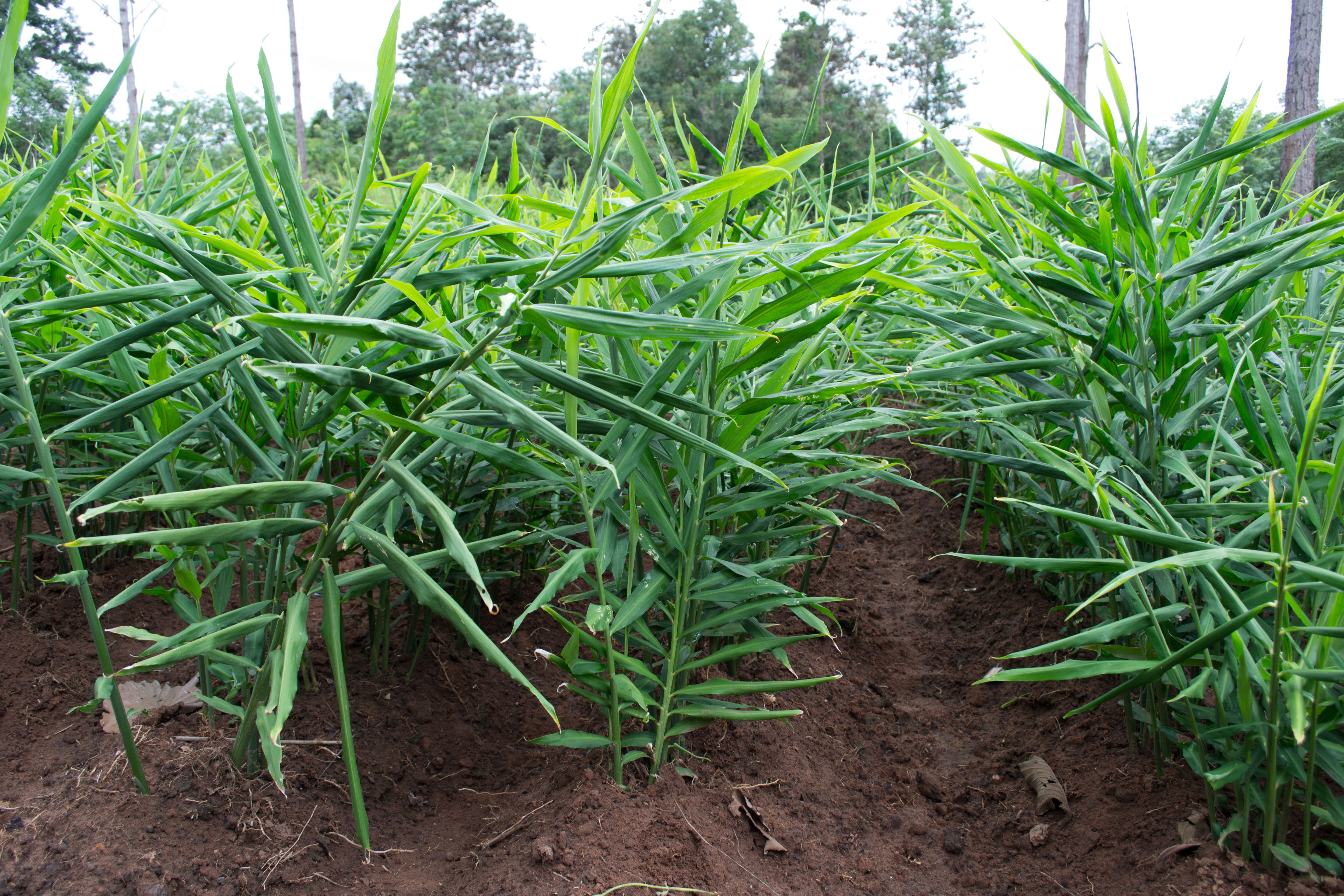
Thailand’s tropical climate, fertile soil, and long growing season produce ginger with strong flavor, aromatic oils, and high freshness – traits favored in culinary and health markets.
2. Seasonal Advantage:
The Thai ginger export season – typically from mid-October to mid-March (peak availability) – often fills supply gaps in global markets when competitors are off-season.3. Organic & Sustainable Practices:
Thai ginger destined for Europe is predominantly organic certified, which boosts premium positioning and demand in high-end markets.
Global Market Trends Favoring Ginger Growth
Growing Health & Functional Food Demand
Ginger’s nutritional profile – known for anti-inflammatory properties, digestive aid, and immune support – aligns with rising consumer demand for natural, plant-based functional foods. This trend extends from North America to Europe and increasingly into the Middle East and Africa, where health consciousness is translating into sustained demand.
Premium & Organic Products
Organic food consumption continues to expand worldwide. Thailand’s organic ginger has already started to carve a niche, especially in the European market where organic certified ginger is scarce during certain seasonal windows.
Diversification Beyond Traditional Uses
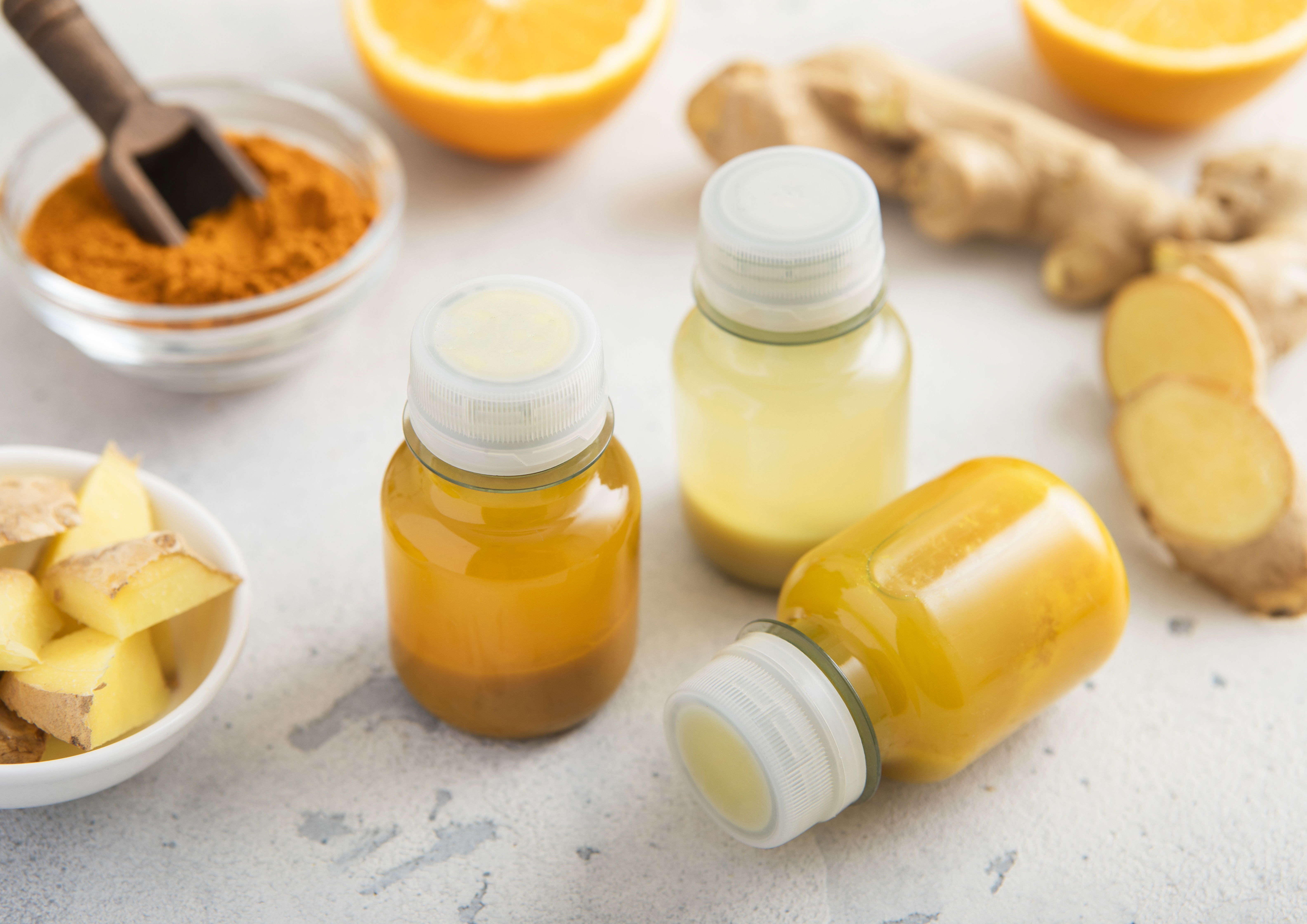
Beyond fresh roots, there’s growing appetite for value-added ginger products – such as dehydrated ginger, powdered spice blends, ginger snaps, preserved ginger, ginger beverages, and extracts for nutraceuticals.
Challenges Facing Thai Ginger Exporters
Despite these strengths, Thai ginger faces several hurdles on the global stage:
1. Strong Competition from China & India
China, the world’s largest ginger exporter, dominates global supply and often influences pricing and market access. India also remains a significant producer and exporter. Thailand’s ginger, while high-quality, still competes on smaller volume and often higher production costs. World Integrated Trade Solution
2. Limited Brand Recognition in Some Markets
While Thai cuisine (and by extension Thai ingredients) is well-known in many countries, ginger specifically doesn’t enjoy the same global brand equity as other Thai products. Consumers and importers often default to Chinese or Indian ginger out of familiarity.
3. Logistics & Export Infrastructure
Fresh produce supply chains require speed, cold chain integrity, and efficient customs processes. Any delays can affect quality and spoilage, reducing competitiveness in distant markets.
4. Price Sensitivity & Currency Factors
Global commodity pricing and the strength of the Thai baht can influence export pricing competitiveness. A strong baht, for example, can make Thai ginger less price-competitive on the world market compared with suppliers priced in weaker currencies.
Strategic Priorities for 2026 and Beyond
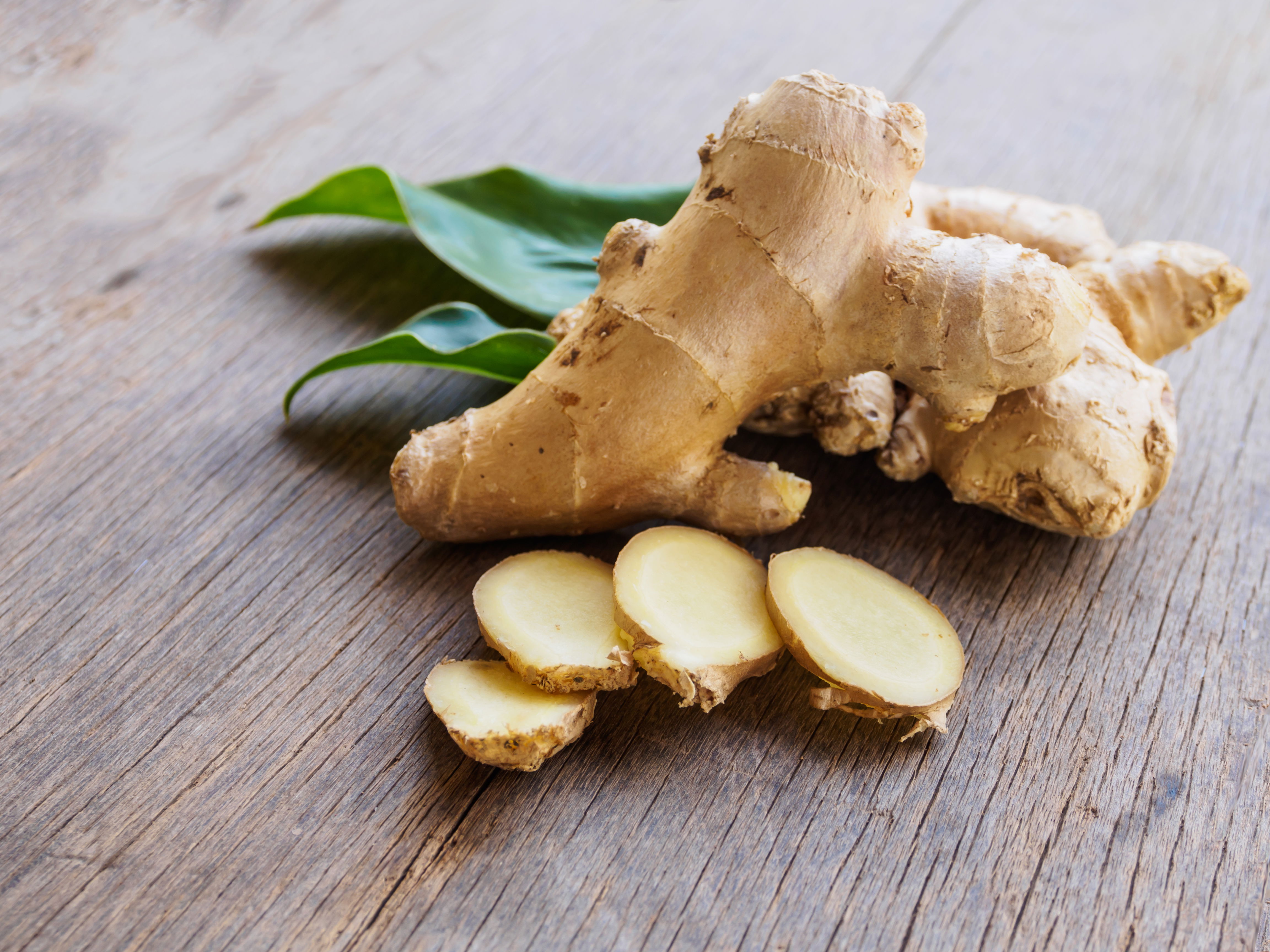
To elevate Thai fresh ginger’s global presence, a multi-pronged strategy is essential. Here’s a comprehensive roadmap:
1. Build a Distinctive Global Brand
Thailand’s ginger must be positioned not just as a commodity, but as a premium, traceable, sustainable product.
Actions:
- Develop and promote a “Thai Fresh Ginger” certification or mark of origin, emphasizing quality, flavor profile, and sustainability.
- Launch global marketing campaigns tailored to major markets like the European Union, U.S., Middle East, and Japan.
- Partner with internationally reputable food influencers, chefs, and culinary institutions to showcase Thai ginger in global cuisines.
2. Expand High-Value Market Access
Target Markets Beyond Asia:
- European Union: Organic and seasonal Thai ginger has proven growth potential, particularly in countries like the Netherlands, Germany, and Scandinavia.
- North America: Rising ethnic food consumption and functional food trends make the U.S. and Canada fertile ground.
- Middle East & North Africa (MENA): Increasing health trends and demand for imported roots and spices.
- Emerging Asian Markets: South Korea, Singapore, and Hong Kong show potential for premium fresh produce.
Policy Actions:
- Negotiate preferential tariff agreements where possible to lower entry costs.
- Work with the Thai embassy trade missions to organize ginger-specific trade delegations and showcases.
3. Strengthen Organic Certification & Standards
Organic produce commands price premiums and attracts discerning consumers.
Actions:
- Expand organic certification adoption among Thai ginger producers.
- Provide financial and technical support to farmers for organic transition.
- Ensure compliance with EU, USDA Organic, JAS (Japan), and other key certification standards.
4. Invest in Supply Chain & Logistics
The export success of fresh produce hinges on robust cold chain and logistics.
Actions:
- Upgrade cold storage facilities near production zones and ports.
- Invest in rapid transport links to key export hubs.
- Implement modern traceability systems to monitor freshness from farm to port.
5. Encourage Processing & Value-Added Products
Fresh ginger is just the start. Value-added products can significantly increase revenue per ton. Potential Products:
- Dried ginger slices and powders.
- Ginger essential oils and extracts for the health/nutraceutical market.
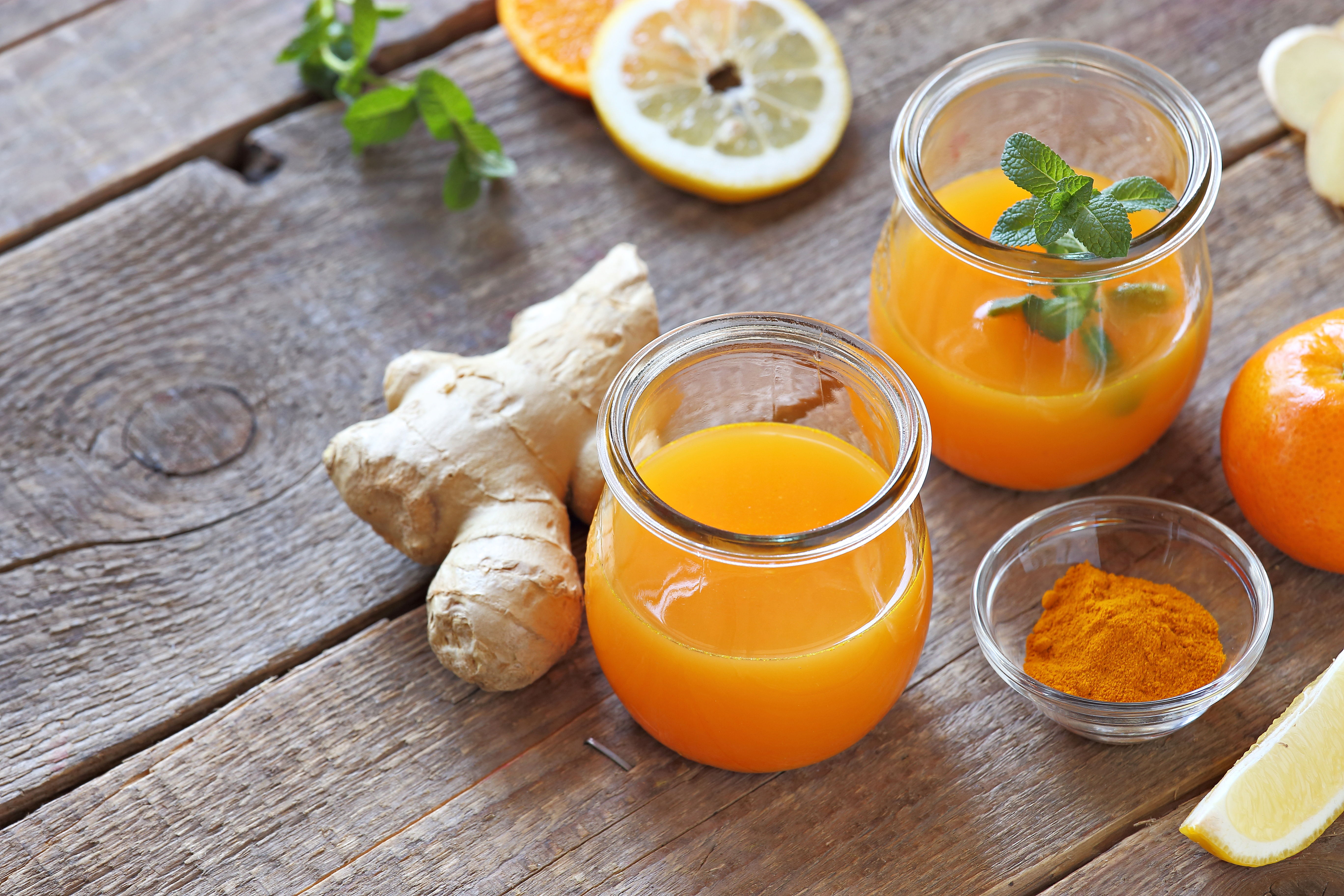
- Ginger beverages, candies, and functional foods with global appeal.
Supporting Measures:
- Incentivize Processing Hubs with tax breaks and export assistance.
- Facilitate partnerships between farmers, cooperatives, and food processors.
6. Empower Farmers Through Technology & Finance
To sustain growth, Thai ginger must be produced efficiently, sustainably, and at scale.
Actions:
- Facilitate smart agriculture technologies (e.g., precision irrigation, soil monitoring, mechanized harvesters) to boost yields and reduce waste.
- Provide micro-financing and cooperative structures to help smallholder farmers scale production.
- Offer training on global food safety standards (GAP, HACCP, etc.).
7. Leverage Trade Shows & B2B Platforms
Trade Promotion:
- Actively participate in major global produce expositions (e.g., Fruit Logistica, Produce Marketing Association shows).
- Host Thailand-focused ginger showcases within major agrifood fairs.
Digital Platforms:
- Support exporters in using B2B digital marketplaces to connect with global buyers.
Case in Point: Emerging Progress in Europe
Data shows that Thai organic ginger exports to Europe increased from under 2,000 tonnes to approximately 5,700 tonnes in 2023, achieving a 3.4% market share in European ginger imports – a notable jump for a previously small player. This example illuminates two key opportunities:
- Seasonal niche dominance – Thai ginger is often available when other suppliers are off-season.
- Premium, organic demand – Thailand can further expand into markets willing to pay more for certified produce.
Economic & Policy Support
The Thai government and agricultural agencies play a crucial enabling role:
1. Strategic Export Initiatives:
Programs aimed at diversifying agricultural exports (similar to broader Agri-trade initiatives seen with other produce in 2025) can be adapted to ginger specifically.
Use diplomatic channels to lower non-tariff barriers, simplify import requirements in key markets, and promote Thai ginger in trade missions.
3. R&D Investment:
Funding research on ginger cultivation, pest resistance, and processing innovations can increase competitiveness and open new product categories.
Environmental & Sustainability Considerations
Consumers, especially in Europe and North America, increasingly demand environmentally responsible products. Sustainability credentials encompass:
- Reduced chemical usage and responsible pesticide management.
- Soil conservation and water-efficient farming.
- Fair labor practices.
Eco-certifications and sustainability reporting can elevate Thai ginger above commodity status.
Cultural Soft Power & Culinary Appeal
Thailand’s global culinary reputation is an asset. Thai ginger can be promoted as part of the “Thai Taste Movement”, aligning it with global food trends such as:
- Southeast Asian Street food culture.
- Healthy, plant-forward cooking.
- Gourmet and fusion cuisine.
Celebrity chefs, food festivals, and culinary exchange programs can strengthen the identity of Thai ginger on world plates.
Measuring Success by 2026 and Beyond
Key indicators of progress should include:
- Export volume growth year-on-year beyond traditional markets.
- Increased share of premium and organic export segments.
- Entry into new regional markets.
- Growth in value-added ginger product exports.
- Enhanced global brand recognition through media and trade presence.
Conclusion
While Thailand is not yet a dominant global exporter of fresh ginger, it unquestionably has the ingredients for success: fertile land, seasonal advantages, growing organic production, and a rich culinary heritage. Strategic focus on premium markets, branding, supply chain upgrades, and diversification into value-added products can propel Thai fresh ginger onto center stage in the global spices and functional food markets by 2026.With targeted investments, policy support, and global marketing momentum, Thai ginger can shift from being an under-recognized player to a globally revered ingredient, woven into kitchens and health tables around the world.