The journey of ginger cultivation in East Borneo
Ginger, a spice revered for its culinary and medicinal properties, has a rich history that intertwines with the culture and economy of East Borneo. This region, known for its diverse ecosystems and indigenous communities, has cultivated ginger for centuries, using traditional methods passed down through generations. The journey of ginger cultivation in East Borneo reflects not only the agricultural practices of the local inhabitants but also the spice's significance in trade, health, and cuisine. As we explore the origins and evolution of ginger farming in this area, we will uncover the challenges faced by farmers today and consider the future of this vital crop in an ever-changing environment.
Introduction to Ginger Cultivation
Overview of Ginger as a Crop
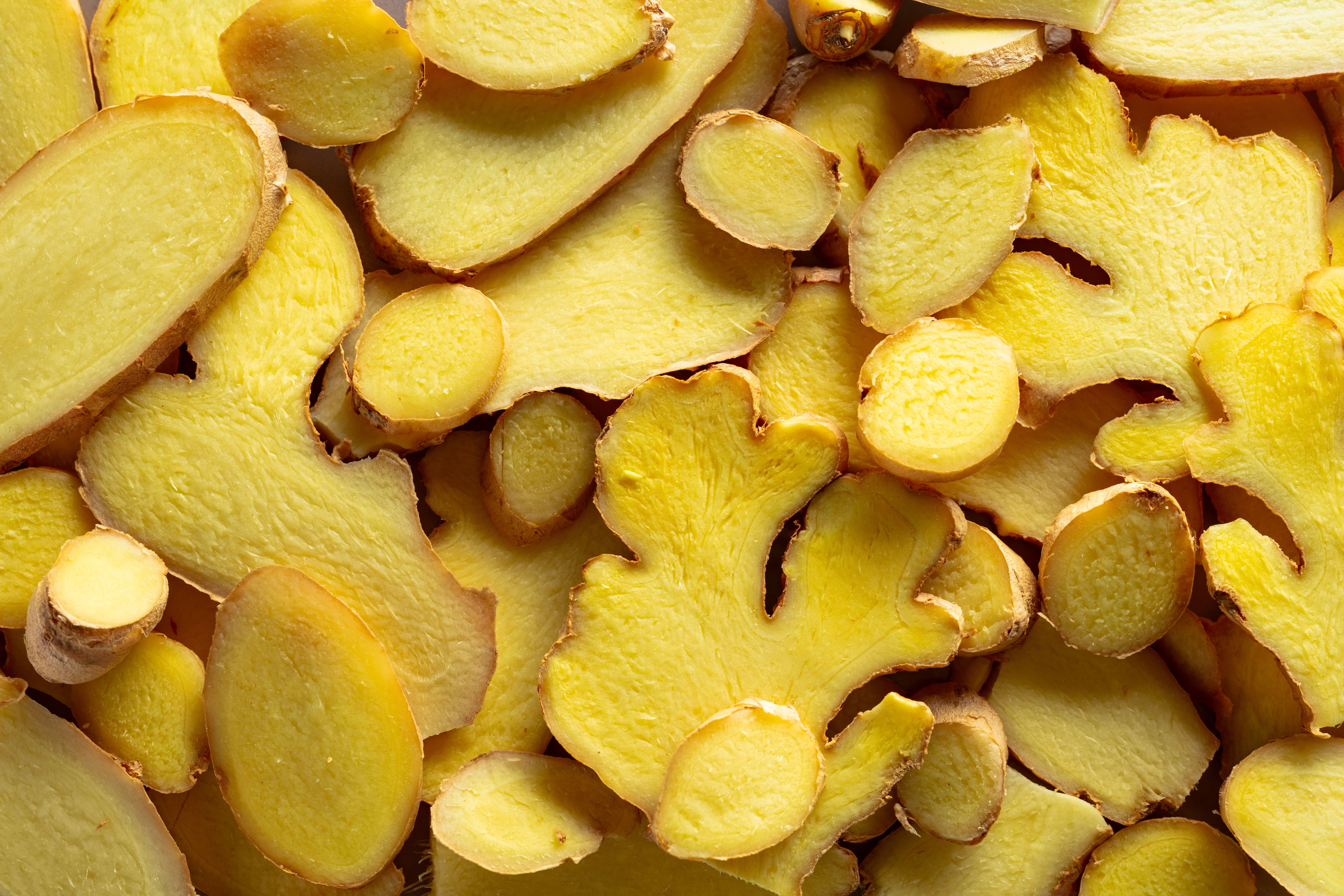
Ginger, the zesty root that brings a kick to our favorite dishes and remedies, is more than just a pantry staple. This perennial herb, known scientifically as Zingiber officinale, thrives in tropical climates and is celebrated for its distinctive flavor and medicinal properties. From spicy stir-fries to calming teas, ginger is a beloved culinary powerhouse with a history steeped in the cultures that cultivate it.
Geographical Distribution in East Borneo
In East Borneo, the warm, humid climate creates the perfect backdrop for ginger’s flourishing roots. The region’s fertile soils, paired with a diverse landscape ranging from coastal areas to lush hills, provide ideal conditions for ginger cultivation. Villages dotted throughout East Borneo have become hubs for this vibrant crop, showcasing a landscape where agriculture and culture intermingle beautifully.
Historical Significance of Ginger in East Borneo
Ginger in Ancient Trade Routes
Long before airplanes and cargo ships, ginger made waves on ancient trade routes, zipping through East Borneo to reach far-off markets. The aromatic rhizome was a hot commodity, sought after for its culinary uses and medicinal benefits. Traders exchanged ginger for spices, textiles, and even gold, making it a pivotal element in the region's economic tapestry and a key player in the spice trade that shaped global commerce.
Cultural Importance in Indigenous Societies
For indigenous communities in East Borneo, ginger is not merely a crop; it’s woven into the very fabric of their culture. Ancient traditions celebrate ginger in rituals, folklore, and festivals, often symbolizing health and prosperity. This cherished root is a testament to the interconnectedness of the people and their land, resonating through generations as a source of pride and cultural identity.
Indigenous Practices and Traditional Uses of Ginger
Medicinal Uses in Local Communities
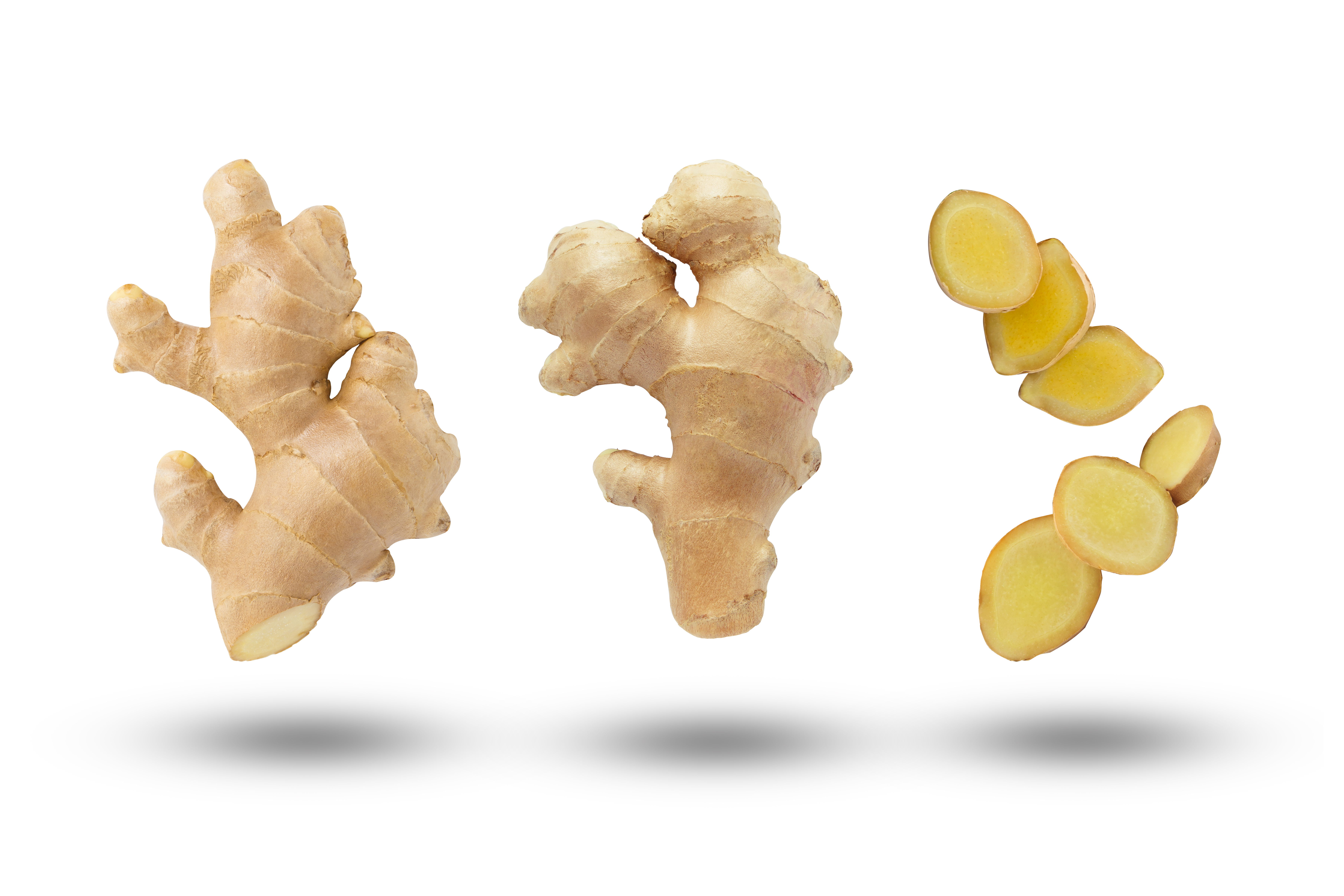
From easing tummy troubles to reducing inflammation, ginger has earned its reputation as a natural healer in local communities. Indigenous people have long harnessed its powers, brewing ginger tea for colds and using it in poultices for aches and pains. This root isn't just a culinary delight; it’s a cornerstone of traditional medicine that underscores the wisdom of generations past.
Ginger in Culinary Traditions
In the kitchens of East Borneo, ginger reigns supreme. It lends its spicy warmth to a plethora of dishes, from savory curries to sweet desserts. Local cuisine showcases ginger’s versatility, often paired with fresh herbs and spices to create tantalizing flavors. Its presence in communal meals and family gatherings highlights not only its culinary importance but also the bonds of community forged over shared plates.
The Evolution of Ginger Cultivation Techniques
Traditional Cultivation Methods
Traditional ginger cultivation in East Borneo is steeped in time-honored practices passed down through generations. Farmers often plant ginger in mounds, allowing for improved drainage and aeration, while companion planting with other crops enhances soil health and pest resistance. These age-old techniques reflect a deep understanding of the land and a sustainable approach to agriculture.
Introduction of Modern Agricultural Practices
As the world modernizes, so too does ginger farming in East Borneo. Innovative agricultural practices are gradually being embraced, with techniques such as precision farming and organic fertilizers coming to the forefront. While respecting traditional methods, farmers are now blending them with modern technologies, ensuring that ginger remains a thriving crop for future generations while keeping its rich legacy alive.
Economic Impact of Ginger Farming in East Borneo
Market Demand and Export Potential
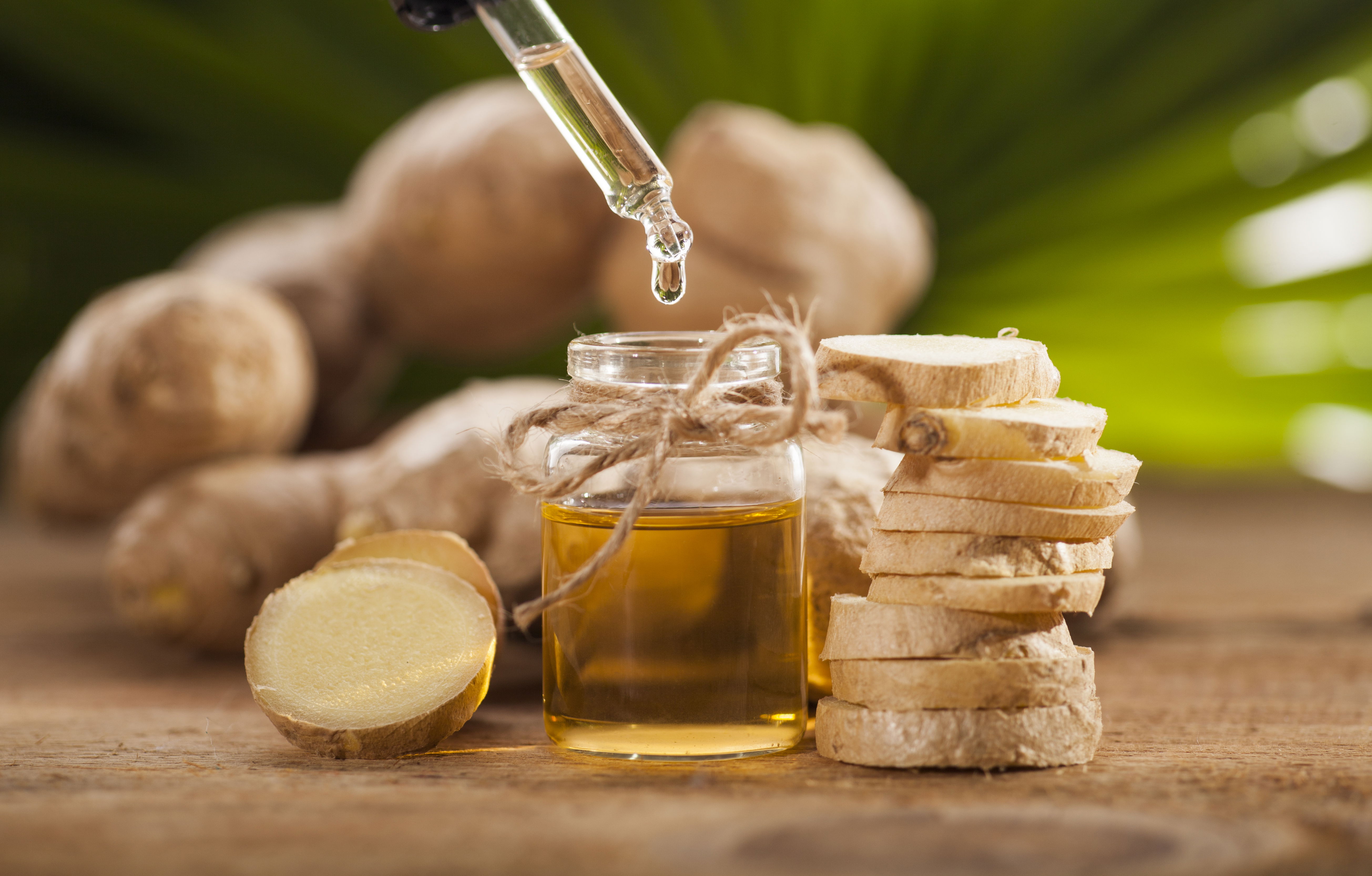
Ginger is not just a key ingredient in your favorite chai latte; it’s also a hot commodity in the global market. East Borneo’s favorable climate and fertile soils yield a robust ginger crop that attracts buyers both locally and internationally. With an increasing trend in health-conscious consumers and the explosion of the wellness industry, the demand for ginger has surged. Export potential is potent, with ginger products making their way to markets across Asia, Europe, and beyond. This boom has not only sweetened farmers’ profit margins but has also put East Borneo on the map as a ginger powerhouse!
Employment Opportunities in Ginger Production
With this booming market comes a cornucopia of job opportunities. Ginger farming in East Borneo creates numerous roles, from planting to harvesting, and even in packaging and distribution. Local farmers find themselves in greater need of laborers, which not only boosts the local economy but also helps retain traditional farming practices. Young people, often migrating to urban areas, are now seeing ginger farming as a viable career option, ensuring the transmission of agricultural knowledge and practices to future generations. Talk about a win-win!
Challenges Faced by Ginger Farmers
Pest and Disease Management
Unfortunately, every rose has its thorn, and ginger is no exception. Farmers often grapple with pests and diseases that threaten their crops. Root rot and nematodes can wreak havoc, turning a promising harvest into a sad tale of wilted dreams. Integrated pest management strategies are essential, but not always easy to implement. This constant battle against nature can make ginger farming feel like a high-stakes game of Whac-A-Mole – just when you think you’ve got one problem sorted, another pops up!
Climate Change and Environmental Concerns
As if pests weren’t enough, climate change has thrown a wet blanket over ginger cultivation. Changes in rainfall patterns, increased temperatures, and extreme weather events have farmers biting their nails. The lush landscapes of East Borneo are under pressure, with some areas facing droughts while others experience sudden floods. Sustainable practices are not just a buzzword; they’re becoming a necessary lifeline for ginger farmers grappling with these new environmental realities.
The Future of Ginger Cultivation in East Borneo
Sustainable Farming Practices
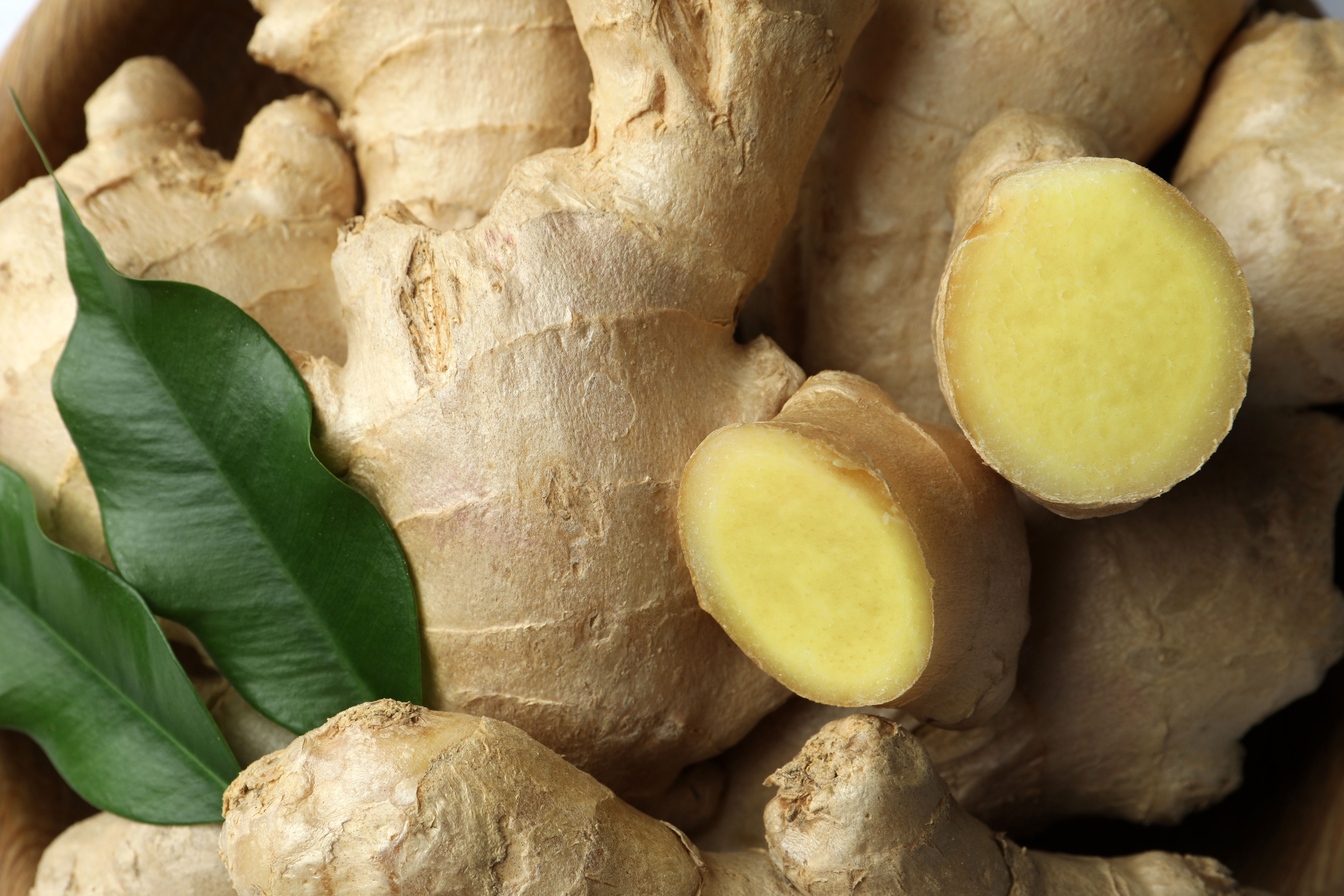
Looking ahead, the future of ginger in East Borneo rests on the shoulders of sustainability. Farmers are increasingly adopting eco-friendly practices – think crop rotation, organic fertilizers, and agroforestry techniques. These methods not only help maintain soil health and biodiversity but also ensure a stable ginger supply for years to come. It's time for ginger to not only spice up our food but also to lead the way in environmentally conscious agriculture.
Research and Development Initiatives
Innovation is the spice of life, and East Borneo is on the cutting edge of ginger cultivation research. Local agricultural universities and research centers are diving deep into the world of ginger, exploring disease-resistant varieties and improved cultivation techniques. Collaborations with international agricultural organizations are also on the rise, bringing fresh knowledge and resources to the region. With these initiatives sprouting like ginger rhizomes, farmers can look forward to a brighter, more resilient future.

Conclusion and Reflections on Ginger's Legacy
Summary of Key Points
The historical roots of ginger cultivation in East Borneo are rich, with a vibrant economic impact shaped by market demand and job creation. However, farmers face significant challenges, from pest management to climate uncertainty. Thankfully, the future is bright with sustainable practices and innovative research paving the way forward.
Final Thoughts on Ginger’s Role in East Borneo
Ginger isn’t just a root; it’s a lifeline for many communities in East Borneo. As this zesty plant continues to thrive and evolve within its cultural and economic landscape, it reminds us that even in the face of challenges, there are always solutions to be unearthed. Here’s to ginger, the humble spice that has left an indelible mark on the hearts, kitchens, and economies of East Borneo! In conclusion, the history and origins of ginger cultivation in East Borneo highlight the intricate relationship between the land, its people, and their traditions. As we have seen, ginger is more than just a spice; it is a symbol of cultural heritage and economic resilience. By understanding its past and addressing the challenges ahead, we can ensure that ginger continues to thrive in East Borneo, benefiting future generations and preserving the rich legacy of this remarkable crop.

Frequently Asked Questions
What are the primary uses of ginger in East Borneo?
Ginger is primarily used for culinary purposes, medicinal remedies, and traditional rituals within various indigenous communities in East Borneo.
How has ginger cultivation evolved over the years in East Borneo?
Ginger cultivation has evolved from traditional farming methods to include modern agricultural practices, which aim to increase yield and improve pest management.
What challenges do ginger farmers in East Borneo face today?
Farmers face challenges such as pest and disease management, the impacts of climate change, and fluctuations in market demand.
What is the economic significance of ginger farming in East Borneo?
Ginger farming plays a crucial role in the local economy by providing employment opportunities and contributing to both domestic consumption and export markets.