More about Fresh Ginger
Fresh ginger, a vibrant and aromatic root, has been cherished for centuries not only for its distinctive flavor but also for its remarkable health benefits.
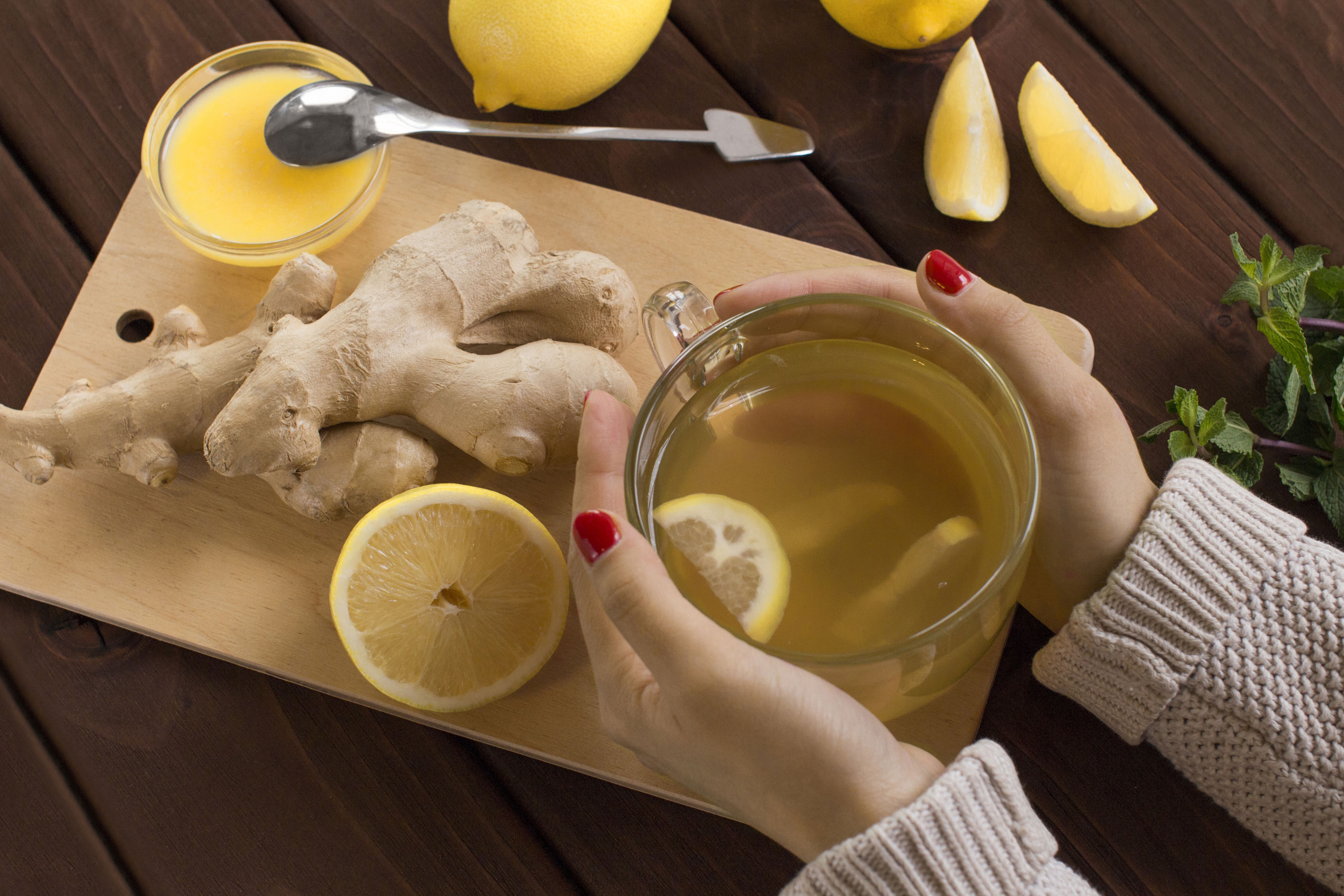
Originating from Southeast Asia, this versatile spice has woven its way into cuisines and traditional medicines around the globe. Known for its pungent taste and warming properties, fresh ginger is a staple in many dishes, from savory stir-fries to refreshing teas. Beyond its culinary uses, ginger is hailed for its medicinal qualities, offering potential relief from various ailments. In this article, we will explore the many facets of fresh ginger, including its nutritional benefits, culinary applications, and how to effectively incorporate it into your diet. Whether you're a seasoned cook or simply looking to enhance your wellness routine, understanding the value of fresh ginger can add a flavorful and healthful dimension to your life.
Introduction to Fresh Ginger
Ginger, the spicy root that adds a kick to your dishes and a zing to your beverages, is more than just a culinary superstar. With its distinct flavor, fresh ginger has been a staple in kitchens and medicine cabinets around the world for centuries. This knobby tuber is not only versatile but also packed with a host of health benefits that make it a must-have in your pantry.
History and Origins
Ginger's history is as rich as its flavor. It originates from Southeast Asia, where it has been cultivated for over 5,000 years. Ancient civilizations used it for various purposes, from enhancing flavor to its medicinal properties. It made its way along spice trade routes, garnering popularity in Europe by the Middle Ages. Think of ginger as the original globetrotter—spicing up cuisines and remedies across continents long before social media influencers made travel trendy!
Types of Ginger
Not all ginger is created equal. There are several types of ginger you might encounter, including young ginger, which is tender and has a milder flavor, and mature ginger, known for its pungency and fibrous texture. You might also stumble upon black ginger, which is valued in some cultures for its potential health benefits. Each variety brings a unique flavor profile to your dishes, so don’t be shy about mixing it up!
Nutritional Benefits of Fresh Ginger
Fresh ginger isn’t just about flavor; it’s a nutritional powerhouse too! Packed with vitamins and minerals, this little root can be your best friend in maintaining a balanced diet.
Vitamins and Minerals
Ginger contains a plethora of vitamins and minerals, including vitamin C, magnesium, and potassium. Vitamin C boosts your immune system, magnesium supports muscle and nerve function, and potassium helps regulate blood pressure. Adding fresh ginger to your meals is like giving your nutrition a little pep talk—“You got this!”
Antioxidant Properties
Antioxidants are the body’s superheroes, and ginger is loaded with them! These compounds fight free radicals, which are the bad guys responsible for oxidative stress and aging. By incorporating fresh ginger into your diet, you're essentially enlisting a powerful ally in your quest for health.
Digestive Health
If your stomach has been staging a protest, fresh ginger might just be the peacekeeper you need. Known to aid in digestion, reduce bloating, and even alleviate gas, ginger can ease your tummy troubles. Consider it your digestive cheerleader—rooting for you to feel your best!
Culinary Uses of Fresh Ginger
Fresh ginger is a culinary chameleon that can elevate your cooking game. It's not just for stir-fries and sushi; this versatile root can be used in a variety of dishes and drinks.
Fresh Ginger in Cooking
Whether you're making a fragrant curry or zesty marinade, fresh ginger can transform your culinary creations. Its warm, spicy flavor can enhance both savory and sweet dishes, making it a must-have ingredient. Just remember, a little goes a long way—don’t overdo it unless you’re ready to embrace the heat!
Ginger in Beverages
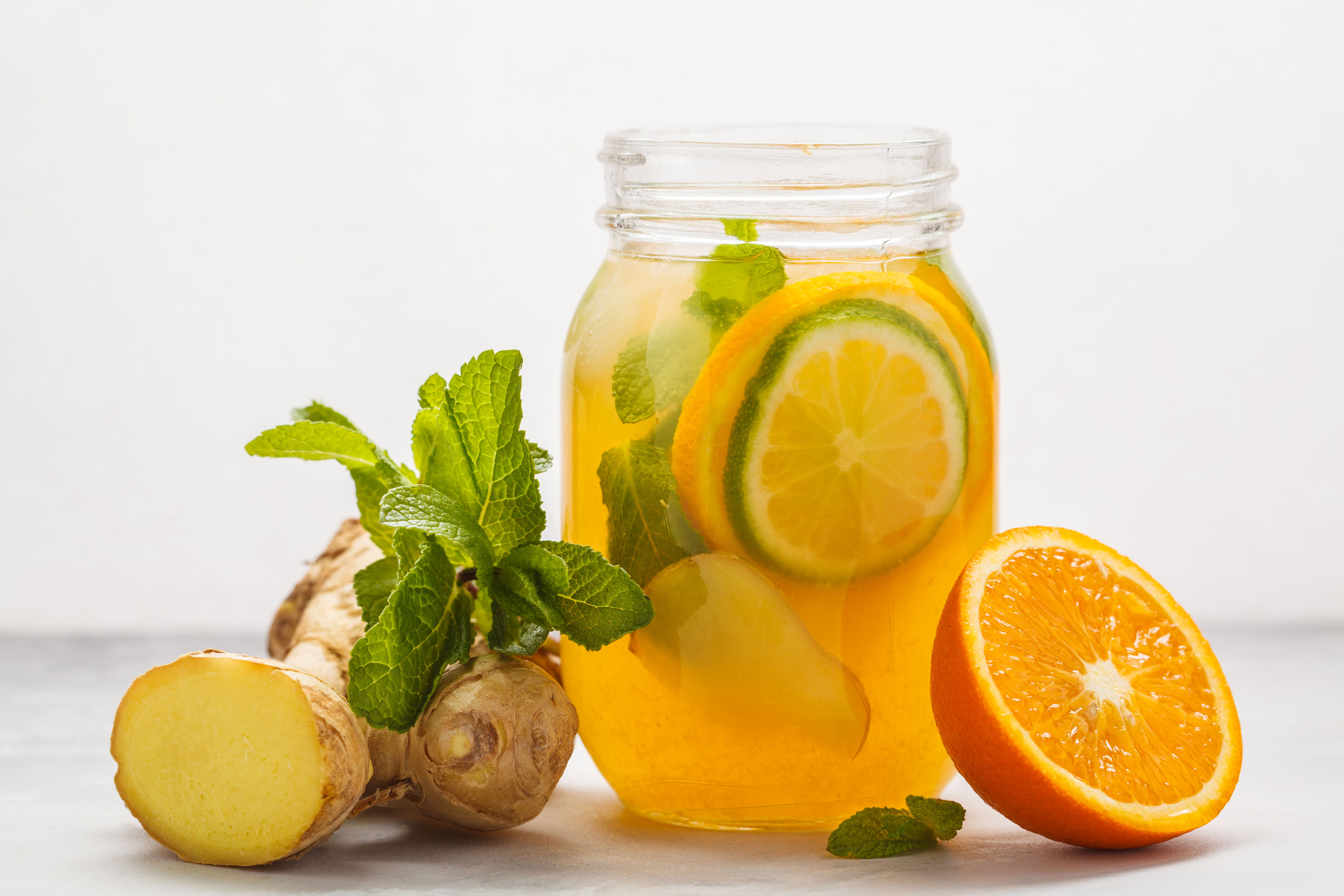
Ginger-infused drinks are all the rage, and for good reason! From classic ginger tea to trendy ginger smoothies, this root can add a refreshing zing to your sips. You can also try it in cocktails for a dash of something special—who knew healthy could taste so good?
Ginger in Baking
Baking with ginger opens up a world of possibilities! Its warm, spicy notes complement cookies, cakes, and breads beautifully. Think ginger bread houses or ginger snaps that are perfect for holiday gatherings. Your dessert table will never be the same once ginger steps into the spotlight!
Medicinal Properties of Fresh Ginger
For centuries, fresh ginger has been revered for its medicinal properties. This wonder root has a reputation for helping with a variety of ailments, making it a popular choice in herbal medicine.
Anti-inflammatory Benefits
Inflammation be gone! Fresh ginger contains compounds called gingerols and shogaols that have potent anti-inflammatory effects. Whether you’re dealing with arthritis or just sore muscles after a workout, ginger can help alleviate discomfort—a natural remedy that even Mother Nature approves of!
Ginger for Nausea and Motion Sickness
If you’ve ever felt queasy during a car ride or after a big meal, fresh ginger is your trusty sidekick. It's well-known for its ability to soothe nausea and is often recommended for pregnant women experiencing morning sickness. So next time you’re feeling off, reach for some ginger—it might just save the day!
Ginger's Role in Immune Support
Keep the sniffles away with a little help from fresh ginger! Its immune-boosting properties help your body fend off colds and infections. Think of ginger as your immune system’s secret weapon, ready to tackle any germ invasion with gusto. Stay healthy, and keep that ginger on hand!
How to Select and Store Fresh Ginger
Choosing Quality Ginger Root
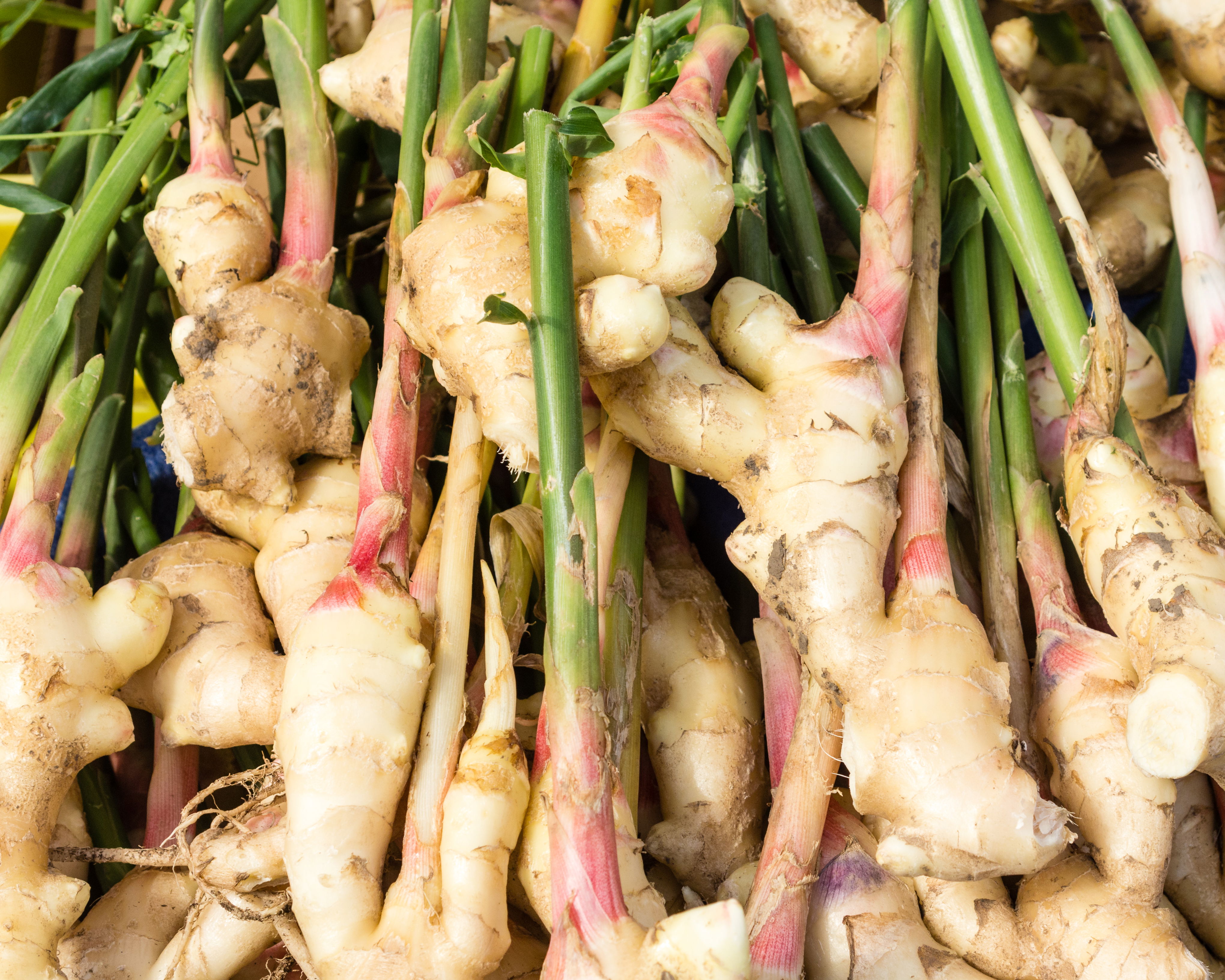
When shopping for ginger, look for roots that are firm and smooth, with a vibrant tan or light brown color. Avoid any pieces that look shriveled, soggy, or have dark spots, as they may be past their prime. The more knobby and bumpy the ginger, the more flavorful it is likely to be. And remember, size isn’t everything—smaller roots can pack a punch!
Storage Tips for Freshness
To keep your ginger fresh and zesty, store it in a cool, dry place, or for the long-haul, pop it in the fridge’s crisper drawer, unpeeled, in a paper bag or wrapped in a damp paper towel. If you’re feeling adventurous and plan on using it later, ginger also freezes beautifully—just peel, chop, and throw it in a freezer bag. Whenever you need it, simply grate or slice off what you need right from the freezer. No thawing required, and no excuses for skipping ginger in your next dish!
Ginger in Different Cuisines Around the World
Asian Cuisines
In Asian cuisines, ginger is a superstar, strutting its stuff in everything from stir-fries to curries. In Chinese cooking, it’s often sautéed with aromatics or used to add a warming kick to soups. Meanwhile, in Indian dishes, ginger is blended into masalas and can be found in both savory and sweet delights. Sushi lovers, take note—pickled ginger is the perfect palate cleanser, acting like a tasty intermission between rolls!
Western Adaptations
Ginger has also made its way into Western kitchens, where it dances its way into cookies, cakes, and even cocktails. Think gingerbread—who doesn’t love a slice of that during the holidays? Plus, ginger ale is a fiery companion to many beverages, from soothing upset stomachs to adding a kick to your favorite whiskey. In fact, it’s a go-to for adventurous mixologists looking to spice up their drink game!
Ginger in Traditional Medicine
For centuries, ginger has been the go-to remedy in various traditional medicines, especially in Ayurvedic and Traditional Chinese Medicine. It’s praised for its anti-inflammatory and antioxidant properties, making it a popular choice for combating nausea, aiding digestion, and reducing muscle pain. While it won’t replace your doctor, adding ginger to your wellness routine could provide a delicious boost to your health!
Potential Side Effects and Precautions
Possible Allergic Reactions
While ginger is generally safe for most people, some might experience allergic reactions, including skin rashes or upset stomach. If you find your throat itching or your stomach churning after indulging in ginger, it’s time to reconsider your relationship with this root, perhaps even consulting a healthcare provider for advice.
Interactions with Medications
Ginger can interact with certain medications, especially blood thinners, and medications for diabetes or high blood pressure. If you’re on any of these, it’s wise to chat with your doctor before adding ginger to your daily routine. Better safe than sorry, right?
Recommended Dosage
Moderation is key here! While there’s no one-size-fits-all answer for how much ginger you should consume, most sources suggest around 1-3 grams of fresh ginger per day as a safe and tasty amount. That’s enough to reap the benefits without going overboard. Just remember: too much of a good thing can lead to heartburn and other discomforts!
Conclusion: Embracing Fresh Ginger in Your Diet
Incorporating Ginger into Daily Meals
Now that you're armed with all this ginger wisdom, it’s time to get cooking! Whether you’re grating it into stir-fries, whisking it into salad dressings, or spicing up your morning smoothie, there are countless ways to incorporate fresh ginger into your daily meals. Don’t forget to experiment—ginger might surprise you with its versatility!
Final Thoughts on Health Benefits
Embracing ginger in your diet is not just about flavor; it's about giving your health a tasty boost. From aiding digestion to adding warmth to your meals, this root is a small but mighty addition to any plate. So go forth, sprinkle some ginger in your life, and enjoy the delicious benefits that come along with it!In conclusion, fresh ginger is a remarkable ingredient that not only enhances the flavor of our meals but also offers a wealth of health benefits. Its versatility in the kitchen and its medicinal properties make it a valuable addition to any diet. By incorporating fresh ginger into your daily routine, you can enjoy its unique taste while reaping its numerous advantages. Whether you choose to use it in cooking, baking, or as a soothing tea, embracing fresh ginger can lead to a healthier and more flavorful lifestyle.
Frequently Asked Questions (FAQ)
1. How do I peel and prepare fresh ginger?
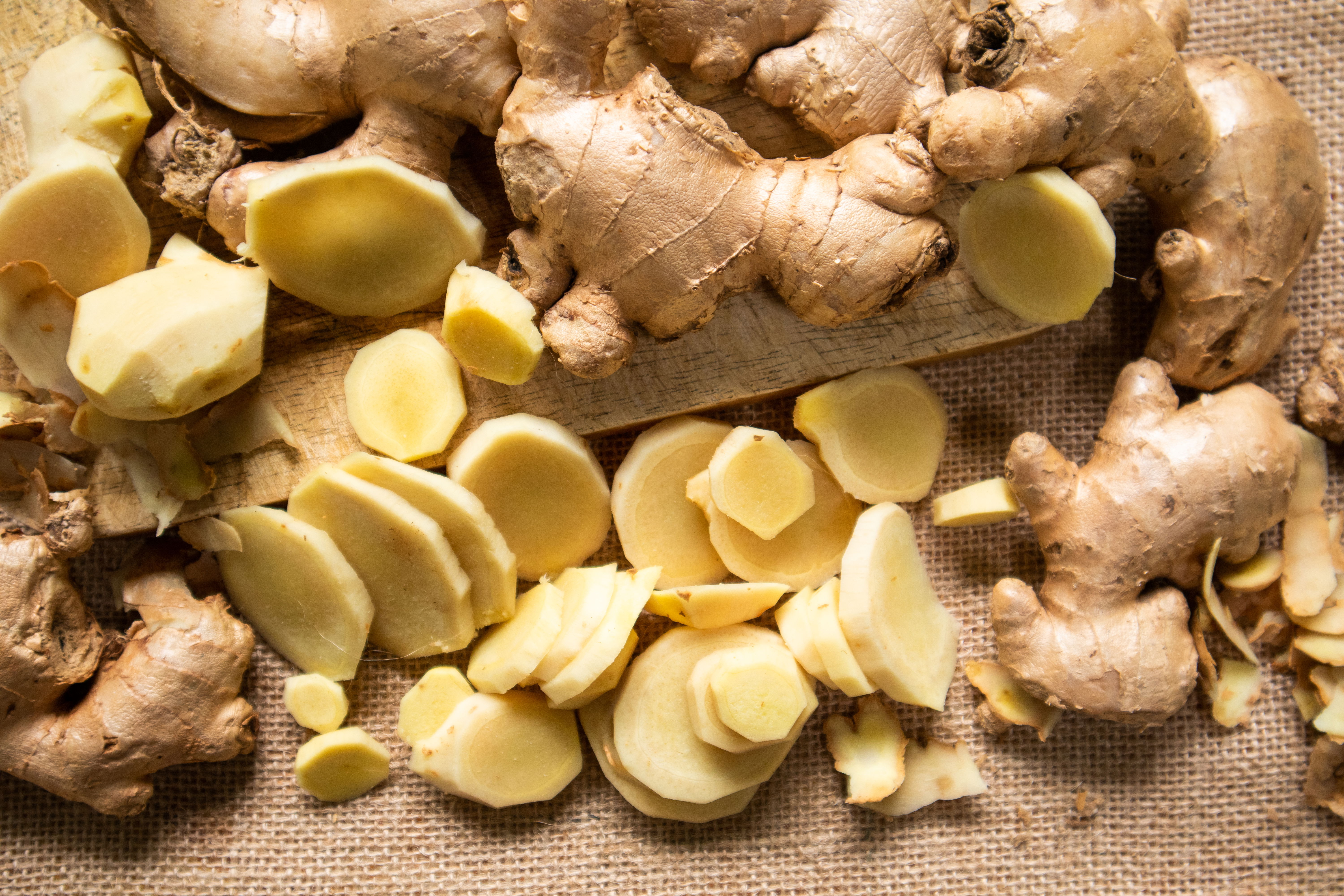
Fresh ginger can be easily peeled using a spoon to scrape off the skin. Once peeled, it can be sliced, grated, or chopped, depending on your recipe.
2. Can I eat fresh ginger every day?
Yes, consuming fresh ginger daily is generally safe for most people. However, it is recommended to keep portions moderate, typically around 1-2 grams per day, to avoid any potential side effects.
3. How can I store fresh ginger to keep it fresh longer?
Fresh ginger can be stored in the refrigerator, wrapped in a paper towel and placed in a resealable bag to prevent moisture. Alternatively, you can freeze it for extended storage.
4. What are the benefits of drinking ginger tea?
Ginger tea can aid digestion, reduce nausea, and provide anti-inflammatory benefits. It is also soothing for sore throats and can boost overall immune health.