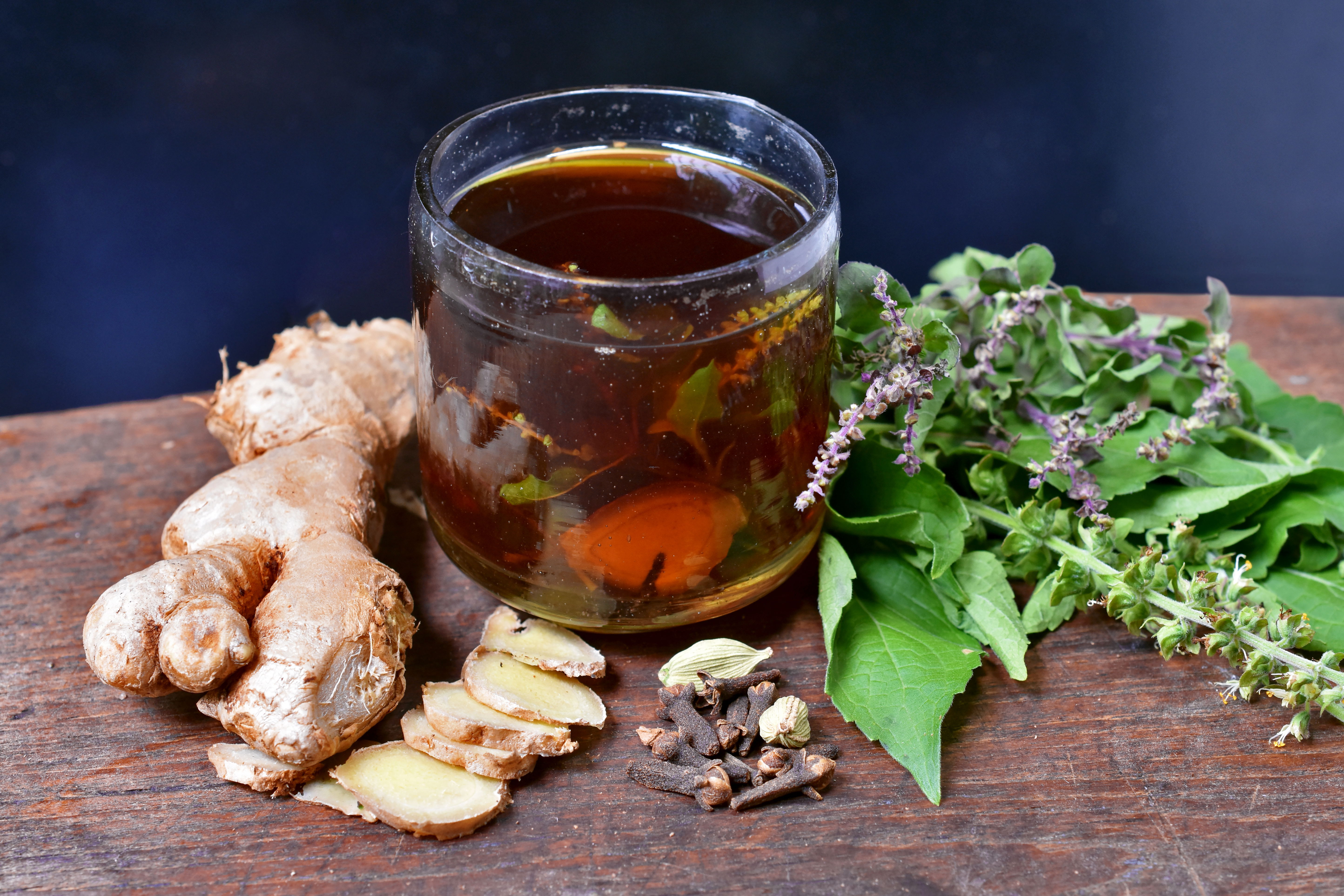
Ginger tea, made from the fresh root of the ginger plant
Ginger tea, made from fresh ginger root, has emerged as a popular beverage not only for its delightful flavor but also for its remarkable health benefits. Rich in vitamins, minerals, and bioactive compounds, this aromatic drink has been cherished for centuries in various cultures, particularly in traditional medicine. From improving digestion to reducing inflammation and boosting the immune system, the surprising advantages of ginger tea extend far beyond its comforting taste. In this article, we will explore the myriad of health benefits associated with drinking fresh ginger tea, providing insights into its nutritional profile, effects on mental well-being, and a simple guide to making your own brew at home.
Introduction to Ginger Tea
Ginger tea, made from the fresh root of the ginger plant, is a cozy, aromatic beverage that’s more than just a warm hug in a cup. With its zingy flavor and spicy kick, it has found a permanent spot in kitchens and cafes alike. But this delightful brew isn’t just about taste—ginger tea boasts a treasure trove of health benefits that have caught the attention of both ancient cultures and modern wellness enthusiasts.
History and Cultural Significance
Ginger has been a beloved spice for over 5,000 years, tracing back to ancient China, where it was used not only as a culinary star but also as a medicinal miracle. From Ayurvedic traditions in India to the bustling markets of the Middle East, ginger has woven itself into the fabric of many cultures. It was often used to treat ailments and was even deemed a symbol of wealth in the Roman Empire. Talk about a spice with a storied past!
Popularity in Modern Wellness
Fast forward to today, and ginger tea has become a superstar in the wellness world. With health trends shifting towards natural remedies, the humble ginger root is basking in the limelight. Whether you’re sipping a cup in a yoga class or incorporating it into your morning routine, ginger tea is seen as a go-to cure-all for various modern woes—from stress to the occasional tummy trouble. It’s trendy, it’s hip, and it’s here to stay!
Nutritional Profile of Fresh Ginger
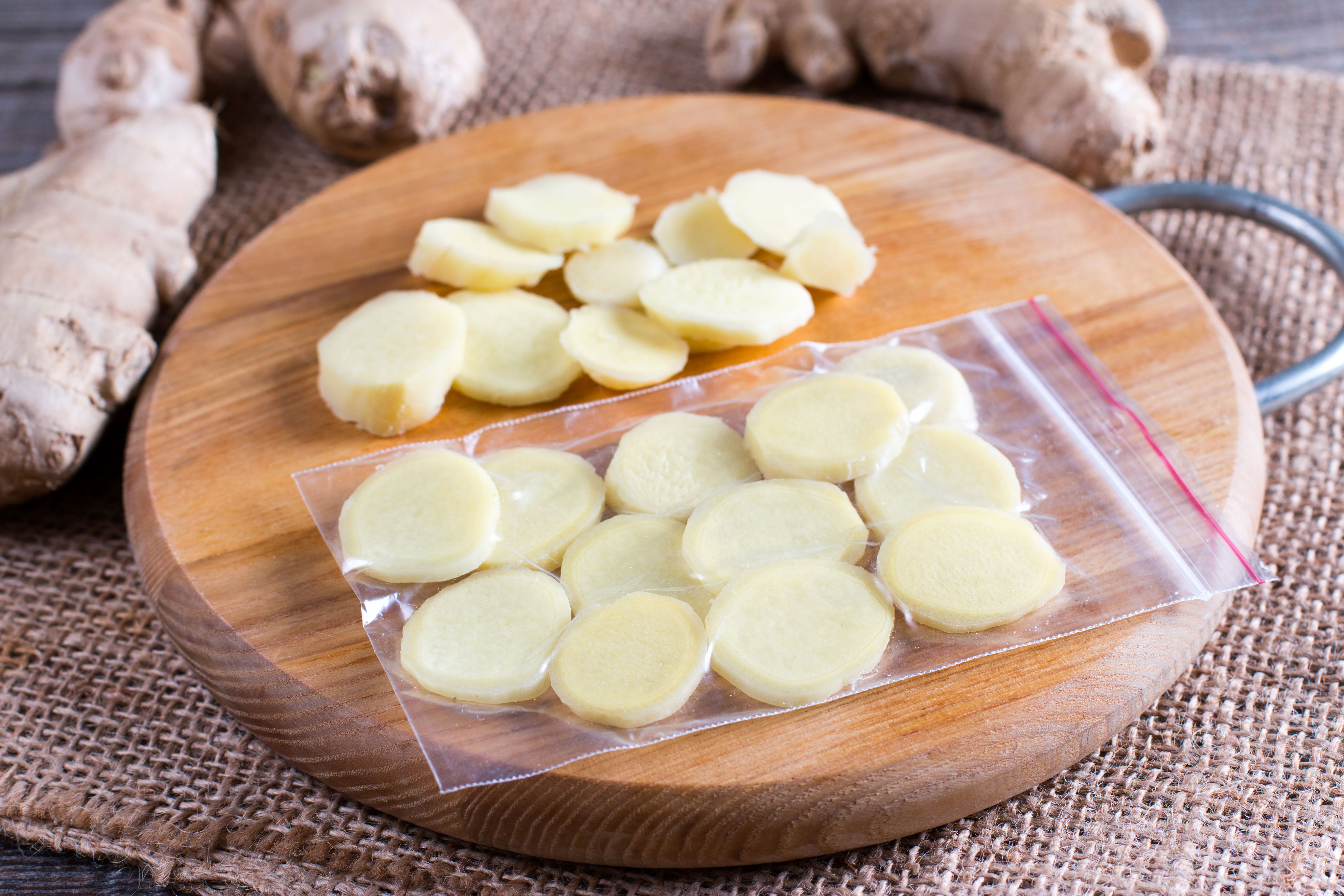
Fresh ginger isn’t just a pretty face (or root, rather); it’s packed with nutrients that make it a powerhouse in the kitchen and the wellness arena. Let’s take a peek at what’s hiding inside this knobby little rhizome.
Vitamins and Minerals
Ginger includes a delightful array of vitamins and minerals, including vitamin C, magnesium, and potassium. Even better, it’s low in calories, making it the perfect guilt-free flavor booster for your tea. While you won't find it in a multivitamin, it’s definitely a solid addition to your diet that can help you feel your best without needing a spoonful of kale.
Active Compounds in Ginger
What really sets fresh ginger apart are its bioactive compounds, particularly gingerol, which is responsible for much of its health benefits and that signature spicy kick. These compounds work their magic by offering antioxidant and anti-inflammatory effects, making ginger tea not just a warm drink but a soothing potion for your body. Cheers to that!
Health Benefits of Drinking Ginger Tea
So, why should you make ginger tea your new best friend? Let’s unravel the myriad of health benefits this seemingly simple drink has to offer.
Overview of Health Benefits
Ginger tea is often hailed as a natural remedy for a plethora of issues, from combating nausea and digestive discomfort to enhancing immunity and even reducing inflammation. It’s like a Swiss Army knife for your health, tough on sore throats and kind to your tummy. Plus, it’s packed with warmth—perfect for curling up on the couch!
Scientific Studies Supporting Benefits
A growing number of studies support the health claims surrounding ginger tea. Research shows it may help reduce nausea in pregnant women, ease muscle pain post-exercise, and even lower blood sugar levels. And we all love when science backs up our love for a delicious drink! So, let’s raise a cup to ginger’s impressive résumé.

Ginger Tea and Digestive Health
If there’s one thing ginger tea excels at, it’s supporting your digestive system like a true friend. Say goodbye to uncomfortable belly bloat and hello to smooth sailing!
Relief from Nausea and Vomiting
Whether it’s morning sickness, seasickness, or the unfortunate after-effects of last night’s dinner, ginger tea is a champion at tackling nausea and vomiting. Studies have shown that sipping this spicy concoction can significantly alleviate discomfort and soothe queasy tummies. Next time you’re feeling a little off, just reach for some ginger tea and let it work its magic.
Improvement in Digestion
Not only does ginger tea help when the waves are rough, but it also promotes overall digestive health. It’s known to enhance the production of digestive enzymes, which can help break down food more effectively and prevent that sluggish feeling after a meal. A cup of ginger tea post-lunch is like a pat on the back for your digestive system—well done!
Ginger Tea's Anti-Inflammatory Properties
How Ginger Reduces Inflammation
Ginger is like that friend who shows up to every party with snacks—always reliable and incredibly beneficial. The active compounds in ginger, particularly gingerol, have powerful anti-inflammatory properties. These compounds work by blocking certain inflammatory pathways in the body, which helps reduce swelling and pain. So, when you sip on ginger tea, you’re essentially giving your body a warm hug and telling inflammation to take a hike.
Impact on Chronic Pain Conditions
For those who feel like they've been wrestling with chronic pain conditions — whether it's arthritis, migraines, or just the general aches of adulting — ginger tea could become your new best friend. Its anti-inflammatory effects can help alleviate pain by reducing the severity of symptoms. It won’t replace your doctor, but it can be a soothing ally in your fight against discomfort, making those tough days a little more bearable.
Immune System Support through Ginger Tea
Antioxidant Properties
If your immune system was a superhero, ginger would be its trusty sidekick. Packed with antioxidants, ginger tea helps combat oxidative stress and free radicals, which can weaken your immune response. By sipping this spicy brew, you’re essentially loading up on nature’s very own shield, preparing your body to fend off those pesky colds and infections.
Ginger's Role in Cold and Flu Prevention
Ginger has long been celebrated for its cold-busting abilities. When it comes to sniffles, sore throats, and the dreaded seasonal flu, ginger tea is your immune system’s number-one fan. Not only does it help reduce the severity of symptoms if you do catch a bug, but its warming properties can boost circulation and optimize your body’s defense mechanisms. So, next time you feel a sneeze coming on, reach for that ginger tea instead of the nearest tissues!
Mood Enhancement and Stress Relief
The Connection Between Ginger and Mental Health
Ginger tea isn’t just a physical wellness champion; it’s also a mood-lifting miracle worker. Research suggests that the compounds in ginger can positively affect your mental health by reducing anxiety levels and even improving cognitive function. It’s like a pep talk in a cup, encouraging you to power through whatever life throws your way.
Ginger as a Natural Stress Reliever
Feeling frazzled? Ginger tea may be just what the therapist ordered. Known for its calming effects, ginger can help soothe a racing mind and promote feelings of relaxation. The warmth of the tea itself adds a layer of comfort; it's like a cozy blanket for your nerves. So the next time you find yourself on the edge of a stress-induced meltdown, take a breather, brew some ginger tea, and embrace the zen.

How to Prepare Fresh Ginger Tea: A Simple Guide
Ingredients Needed
To whip up a delicious cup of ginger tea, gather the following ingredients:
- Fresh ginger root (about a 1-inch piece)
- 2 cups of water
- Optional: Honey or lemon for flavor
Step-by-Step Preparation Process
1. Start by peeling the ginger root to rid it of its rough exterior.
2. Slice the ginger thinly or grate it for a stronger flavor.
3. In a small pot, bring 2 cups of water to a boil.
4. Add the ginger slices (or grated ginger) and let it simmer for about 10-15 minutes, depending on how strong you want it.
5. Strain the tea into your favorite mug and get ready to sip serenity!
Optional Additions for Enhanced Flavor
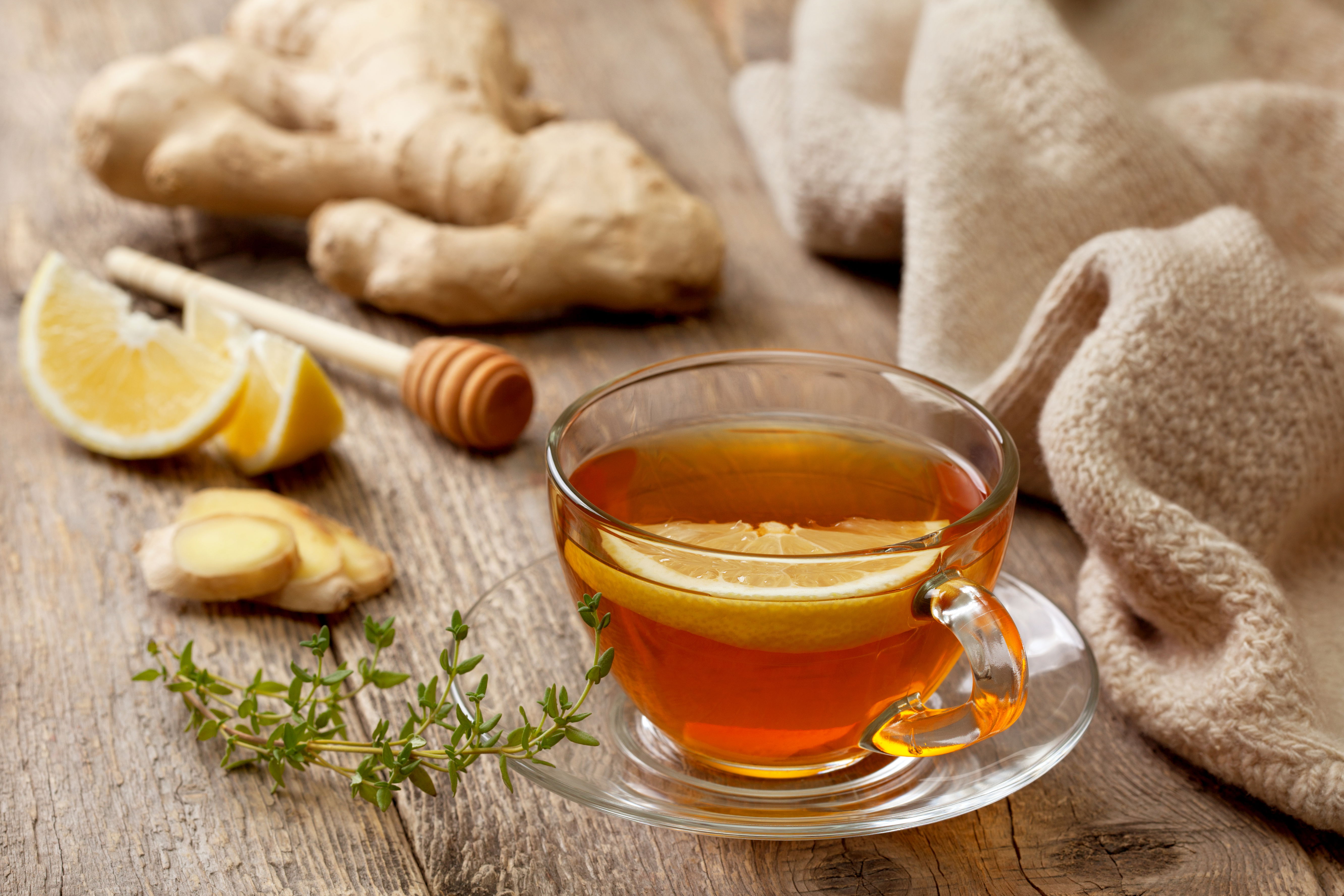
Want to jazz things up? Try adding a squeeze of fresh lemon juice for some zing or a drizzle of honey for sweetness. You can even throw in a pinch of cinnamon or a few mint leaves for a refreshing twist. Ginger tea is like a blank canvas—get creative! Incorporating fresh ginger tea into your daily routine can be a delicious and healthful choice, offering a host of benefits that support both physical and mental well-being.
Whether you're seeking relief from digestive issues, looking to enhance your immune system, or simply wanting to enjoy a soothing beverage, ginger tea is a versatile option worth exploring.
By embracing the surprising benefits of this age-old drink, you can enjoy its warmth and flavor while reaping the numerous advantages it has to offer. So why not brew a cup today and experience the wonders of fresh ginger tea for yourself?
FAQs
1. How often should I drink ginger tea to experience its health benefits?
It is generally recommended to drink ginger tea 1 to 3 times a day, depending on your personal health goals and tolerance. However, it's always best to consult with a healthcare professional if you have specific health concerns or conditions.
2. Can I use dried ginger instead of fresh ginger for making tea?
Yes, dried ginger can be used to make tea, but fresh ginger typically offers a more vibrant flavor and higher concentration of active compounds. If using dried ginger, you may need to adjust the quantity, as it is more potent than fresh ginger.
3. Are there any side effects associated with drinking ginger tea?
While ginger tea is generally safe for most people, excessive consumption can lead to digestive discomfort, heartburn, or diarrhea. If you are pregnant, nursing, or on medication, consult your doctor before adding ginger tea to your routine.
4. Can ginger tea help with cold and flu symptoms?
Yes, ginger tea can help alleviate cold and flu symptoms due to its anti-inflammatory and immune-boosting properties. It may aid in soothing a sore throat, relieving congestion, and promoting overall comfort during illness.