ブログ #gingerexport
Thailand Fresh Ginger

Ginger farming in Finland is challenging due to the country's harsh weather conditions and limited daylight hours. Farmers must also face issues such as pest control, soil quality, and proper irrigation to ensure healthy ginger crops.
続きを読む
Thai ginger's growing popularity in Norway can also be attributed to its unique flavor and health benefits.
続きを読む

Jordan has a long history of using ginger in traditional medicine and cooking. The ancient spice has been incorporated into Jordanian cuisine for centuries, and it remains a beloved ingredient in many traditional recipes.
続きを読む
Ginger was first introduced to Argentina by European immigrants. The rising awareness of health benefits associated with ginger, changing consumer preferences for healthier food options, and increasing demand for natural and organic food products are the major factors driving the demand for fresh ginger in Argentina.
続きを読む
Overview of Sri Lanka's Import Demand for Fresh Ginger, The Sri Lankan fresh ginger market has significant growth potential due to the increasing demand both domestically and internationally.
続きを読む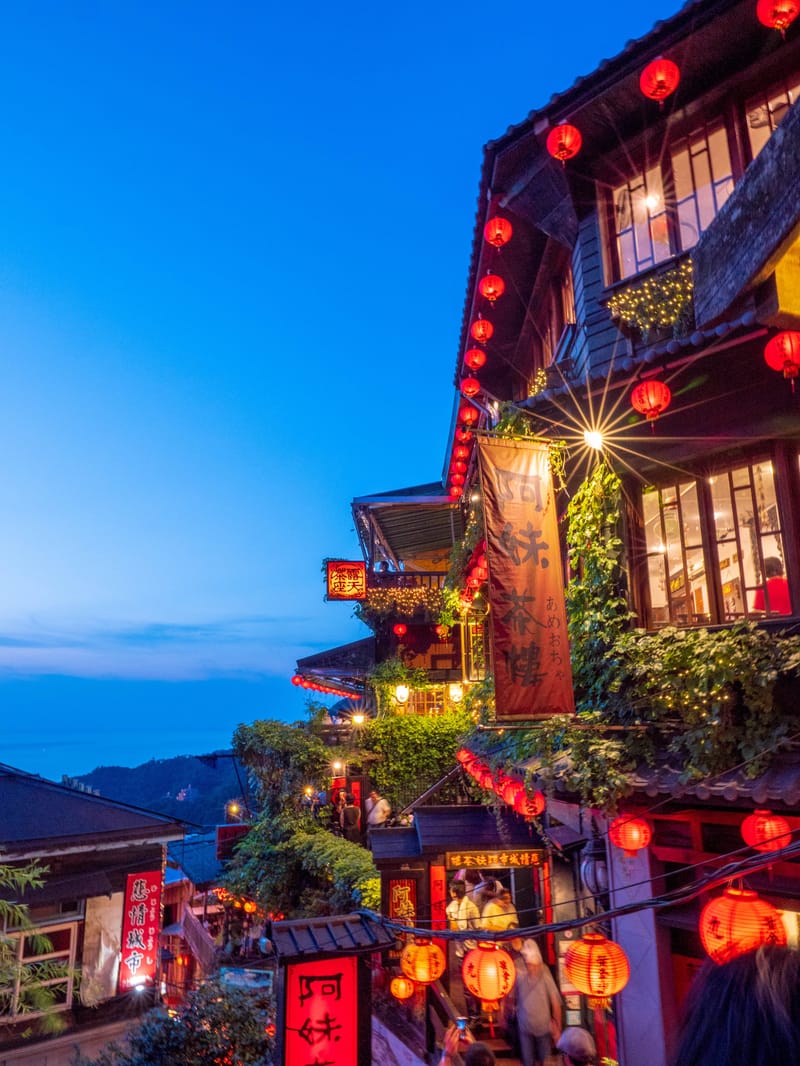
Taiwan's introduction of imported Thai fresh ginger marks the beginning of a promising partnership between the two nations in the ginger trade.
続きを読む
Ginger is easily accessible and can be consumed in many forms such as teas, supplements, or adding it to meals. It's a natural remedy that one can enjoy as part of a healthy lifestyle, and its benefits go far beyond treating cold and flu symptoms.
続きを読む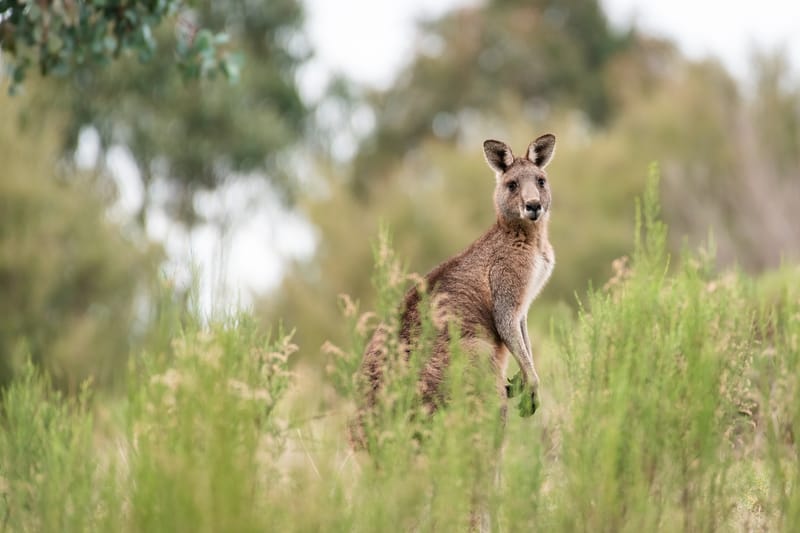
the Australian ginger market is a small but growing industry, with strong potential for further development. While there are challenges facing the market, there is still a growing demand for ginger from health-conscious consumers and the increasing Asian population in the country
続きを読む
Therefore, it is crucial for the Thai ginger industry to adopt sustainable farming practices that prioritize the protection of the environment and the well-being of the farmers. This can be achieved through the use of organic fertilizers, crop rotation, and water conservation techniques. Additionally, the industry should invest in research and development to improve the quality and yield of the ginger crops, while minimizing the use of harmful pesticides and chemicals. By doing so, the industry can continue to meet the growing demand for Thai ginger while ensuring the long-term sustainability of the crop and the environment.
続きを読む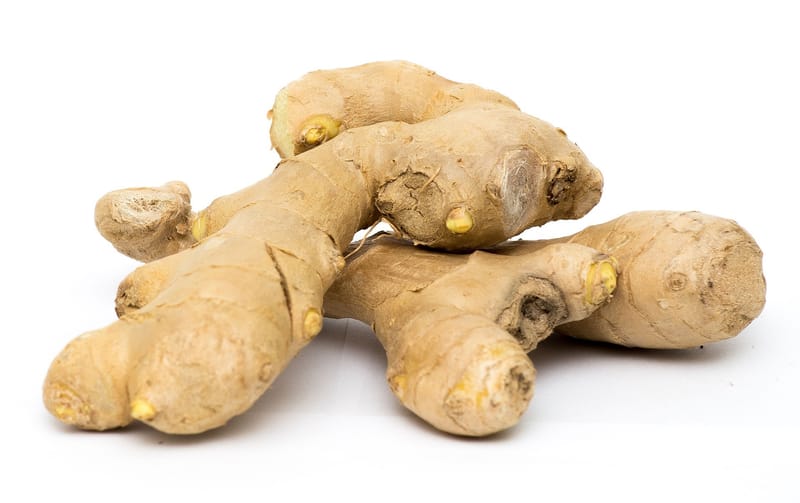
Thailand is one of the largest producers of ginger in the world, with the majority of the crop grown in the northern regions of the country.
続きを読む
One way to tap into the Mongolian ginger market is by promoting its health benefits to the global market. With the increasing demand for natural and organic products, fresh ginger from Mongolia could be marketed as a healthy and sustainable alternative to other ginger varieties. Businesses could also collaborate with local farmers to ensure a steady supply of fresh ginger while supporting the local economy.
続きを読む