Fascinating world of ginger seeds
Ginger seeds, often overshadowed by the more commonly known ginger root, are a remarkable component of both culinary and medicinal practices around the world.
As a vital part of the ginger plant's life cycle, these seeds serve as the foundation for growing new ginger plants, offering a myriad of health benefits and unique flavors. Understanding the various types of ginger seeds, their cultivation requirements, and their uses in the kitchen can enhance not only gardening endeavors but also enrich culinary experiences.
This article explores the fascinating world of ginger seeds, from their health properties to best practices for planting and harvesting, making it an essential resource for both novice gardeners and seasoned chefs alike.
Overview of Ginger Seeds
What Are Ginger Seeds?
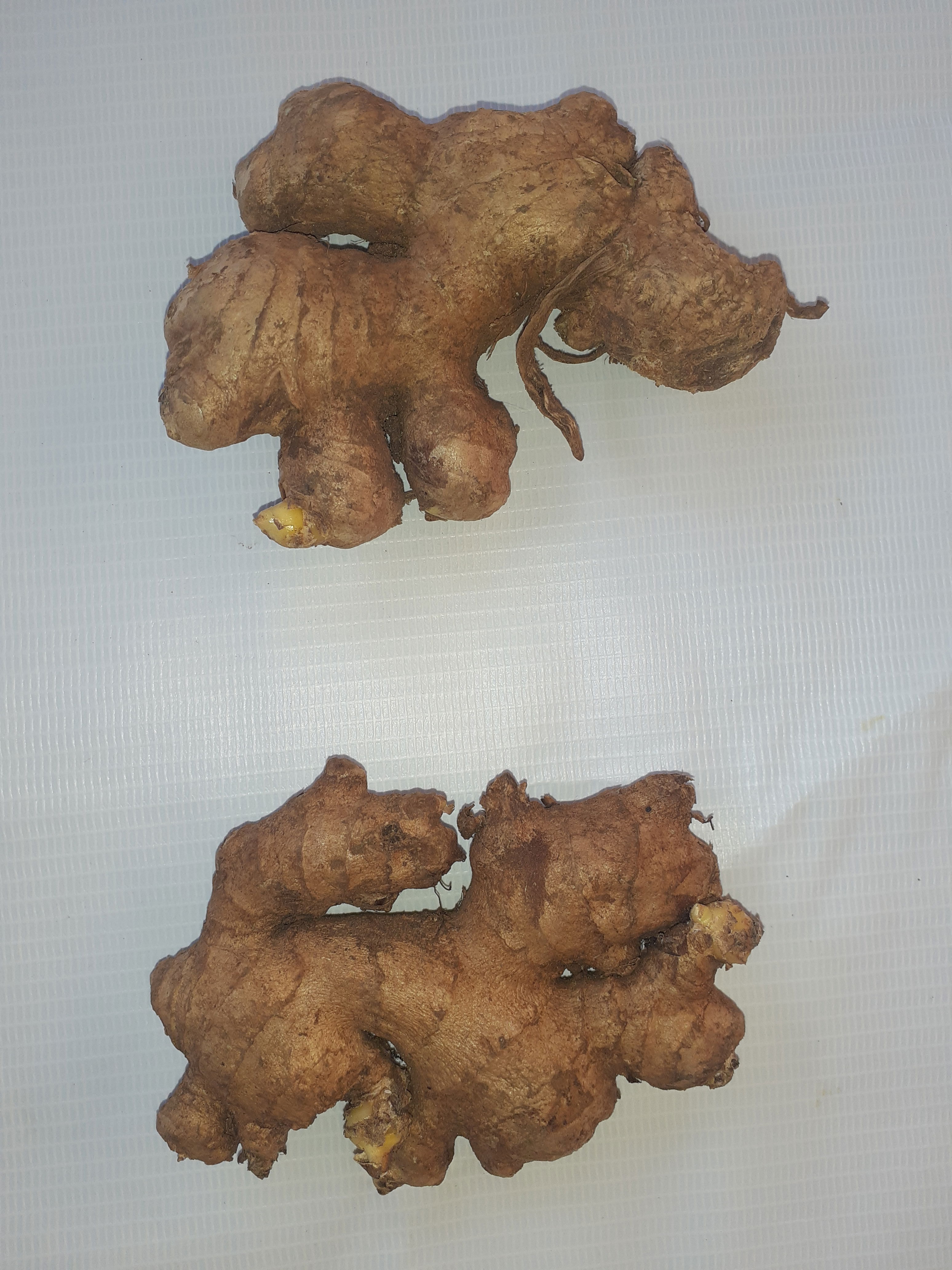
Ginger seeds are the reproductive elements of the ginger plant (Zingiber officinale). However, here’s a little twist: most of what we plant is actually ginger rhizomes, not seeds! Those knobby, earthy pieces you find at the market are the plant's roots, which can sprout a brand new ginger plant. True ginger seeds are rare and take longer to grow into full plants, but they do exist!
Historical Significance
Ginger has been a superstar in global cuisine and medicine for thousands of years. Historically, it was a luxury item traded along ancient spice routes from Asia to Europe and beyond. The ancient Romans used ginger in their cooking, while traditional Chinese medicine touted its healing properties. So, next time you enjoy a ginger tea or a spicy stir-fry, remember you’re partaking in a rich history of flavor and wellness!
Types of Ginger Seeds
Varieties of Ginger
There are several types of ginger, but the most notable ones are fresh ginger, dried ginger, and black ginger. Fresh ginger is the commonly used culinary variety known for its aromatic flavor. Dried ginger, often ground into powder, is the spice that finds its way into cookies and cakes. Black ginger, a lesser-known variety, is known for its stronger flavor and is often used in traditional medicine. Each variety has its quirks and uses, making the world of ginger delightfully diverse!
Differences Between Seed Types
When it comes to ginger seeds versus rhizomes, the differences are quite marked. Ginger seeds take longer to germinate—around 2-3 weeks—compared to rhizomes, which sprout in a week or so. Additionally, ginger seeds may produce new varieties through cross-pollination, while rhizomes are clones of the parent plant. If you’re thinking of planting, rhizomes are your speedy option, but if you’re feeling adventurous, why not try true seeds for a unique gardening experience?
Health Benefits of Ginger Seeds
Nutritional Profile
Ginger seeds pack a punch in the nutritional department! They contain essential oils, antioxidants, and a range of vitamins and minerals, including vitamin C, magnesium, and potassium. Plus, they’re a good source of fiber. Throw them into your smoothie or sprinkle them on salads, and you’ll not only elevate your dish but also boost your health with their nutritious properties.
Medicinal Properties
Ginger has long been celebrated for its medicinal benefits, and its seeds are no slouch either. They are known to help with nausea, digestion, and inflammation. Many people use ginger seeds to alleviate symptoms of colds or flu, thanks to their antimicrobial properties. Whether you’re brewing some herbal tea or tossing them into a stir-fry, incorporating ginger seeds can add a little extra love to your wellness routine!
Cultivation and Growing Conditions
Climate Requirements
Ginger thrives in warm, humid climates. Ideally, temperatures should hover between 70°F and 85°F (21°C to 29°C). It’s a tropical plant, longing for sunshine but not too much direct sunlight that could scorch its delicate leaves. If you live in a cooler climate, consider growing it indoors or in a greenhouse to keep it cozy!
Soil Types and Preparation
Ginger seeds flourish in well-draining, loamy soil rich in organic matter. Aim for a pH between 6.0 and 6.8 for optimal growth. Before planting, prepare the soil by tilling it and mixing in compost or aged manure. This will create a nutrient-rich bed that supports healthy root development and vigorous growth. Just remember: happy soil equals happy ginger!
Planting Techniques and Care
Best Practices for Planting
When planting ginger seeds, ensure you choose healthy, mature rhizomes with visible buds—think of them as the ginger equivalent of a pop star on the rise! Cut the rhizomes into sections, each with at least one bud, and let them cure for a day or two to prevent rot (no one likes soggy ginger). Plant them in well-draining soil, about 2-4 inches deep, with the buds facing upwards. Ginger loves a warm, humid environment, so pick a cozy spot in partial shade.
Watering and Fertilization Tips
Ginger seeds are like your friend who always asks for a top-up—never let them dry out! Water them regularly to keep the soil consistently moist but not waterlogged, which is a recipe for disaster. During the growing season, a balanced fertilizer every 4-6 weeks will keep your ginger thriving. Go organic if you can, because ginger appreciates a good, wholesome feed, much like we do after a long day!
Common Pests and Diseases
Identifying Pests
Ginger can attract a motley crew of pests, including aphids, spider mites, and the notorious root knot nematodes. Keep your eyes peeled for discolored leaves, wilting, or unexplained holes—these are often telltale signs that something sinister is afoot in your ginger garden. Did those ginger leaves just start looking like Swiss cheese? You might have a pest party on your hands!
Preventive Measures and Treatments
To keep your ginger pests at bay, consider introducing beneficial insects like ladybugs, who are excellent at pest control and love a good meal of aphids. Regularly inspect your plants and maintain good airflow around them to discourage mold and disease. If you spot a problem, don’t panic! Neem oil is a natural remedy that can help manage pest populations without creating a horror show in your garden.
Harvesting and Storage
Signs of Ripeness
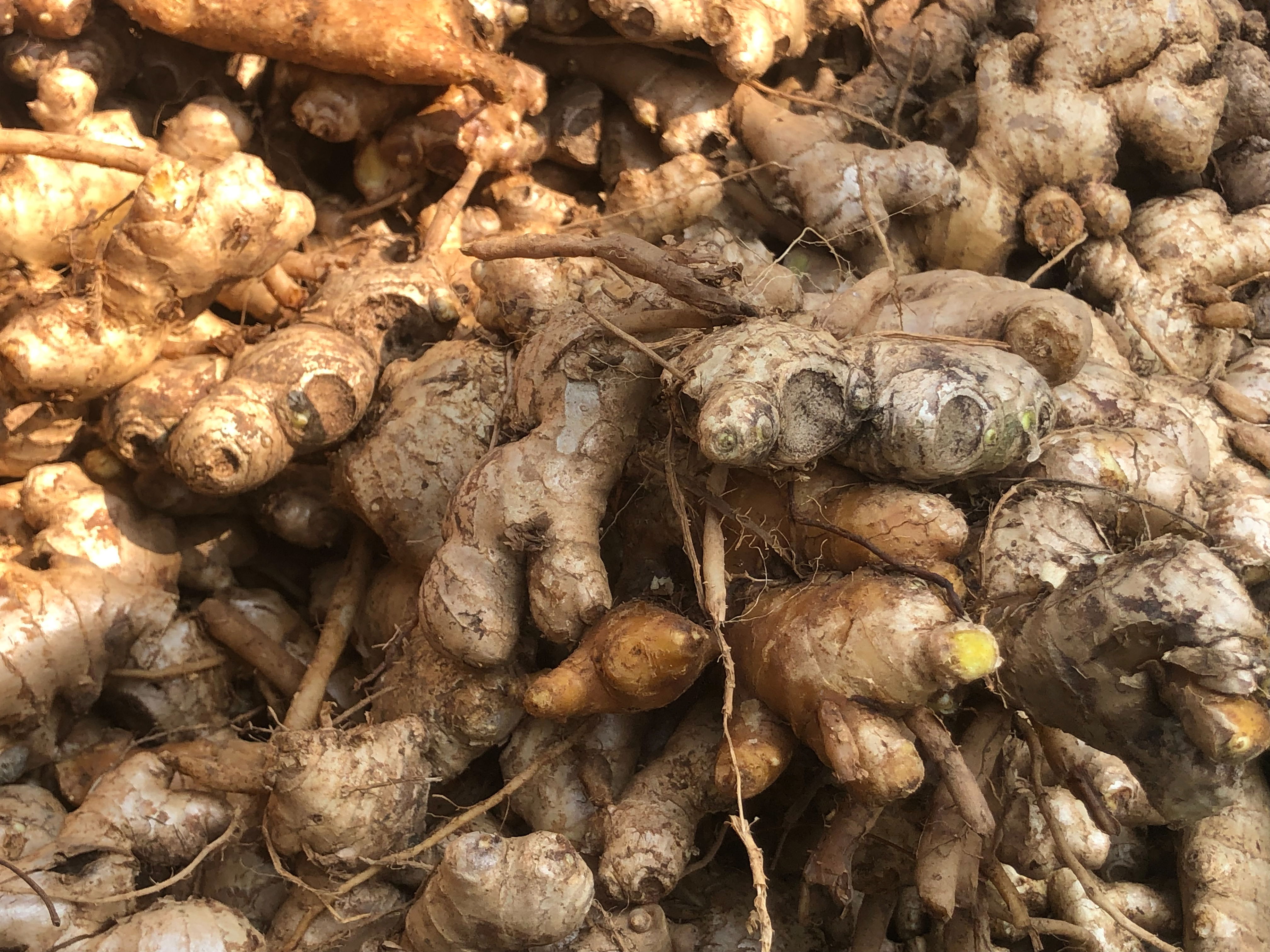
Knowing when to harvest ginger is crucial. Typically, you'll want to wait about 8-10 months after planting—though some prefer to pluck younger ginger for a milder taste. Look for vibrant leaves that start to yellow and wither; that’s your ginger giving you a subtle nudge to get that shovel out. Give it a gentle tug; if it resists, it may need more time to party underground!
Storage Methods
Once you've pulled up your ginger goodness, it’s all about the right storage methods to keep it fresh. If you plan to use it soon, store it in a cool, dry place. For longer storage, consider keeping it in the fridge in a paper bag, where it can stay fresh for a couple of weeks. You can also freeze it—just peel and slice your ginger into chunks, pop them in an airtight container, and voilà! Ginger on hand for life’s culinary escapades!
Culinary Uses of Ginger Seeds
In Traditional Dishes
Ginger has been a culinary superstar for centuries, adding a zesty kick to everything from stir-fries to curries. In many cultures, it’s an essential ingredient in savory dishes, soups, and stews. Think of ginger as that friend who can liven up any gathering—your dishes will thank you for it! Try it in classic recipes like ginger chicken or a warm bowl of ginger-infused miso soup.
Innovative Recipes
Don't limit ginger to the usual suspects! Get adventurous and use ginger seeds in exotic smoothies, spicy ginger-infused cocktails, or even as a secret ingredient in your baking (hello, gingerbread!).
The possibilities are endless—just imagine ginger-flavored ice cream or ginger-laced chocolate truffles! So, why not throw caution to the wind and experiment? Your taste buds will thank you later! In conclusion, ginger seeds are a valuable asset for both gardening enthusiasts and culinary adventurers.
With their numerous health benefits, diverse uses, and the joy of cultivating them, ginger seeds can enhance any garden and kitchen. By following the best practices for planting and care, you can enjoy a bountiful harvest while exploring the rich flavors and medicinal properties that ginger has to offer. Embrace the world of ginger seeds and discover the many ways they can enrich your life.
Frequently Asked Questions
1. How long does it take for ginger seeds to germinate?
Ginger seeds typically take about 2 to 3 weeks to germinate, depending on the environmental conditions and care provided.
2. Can I grow ginger from store-bought ginger root?
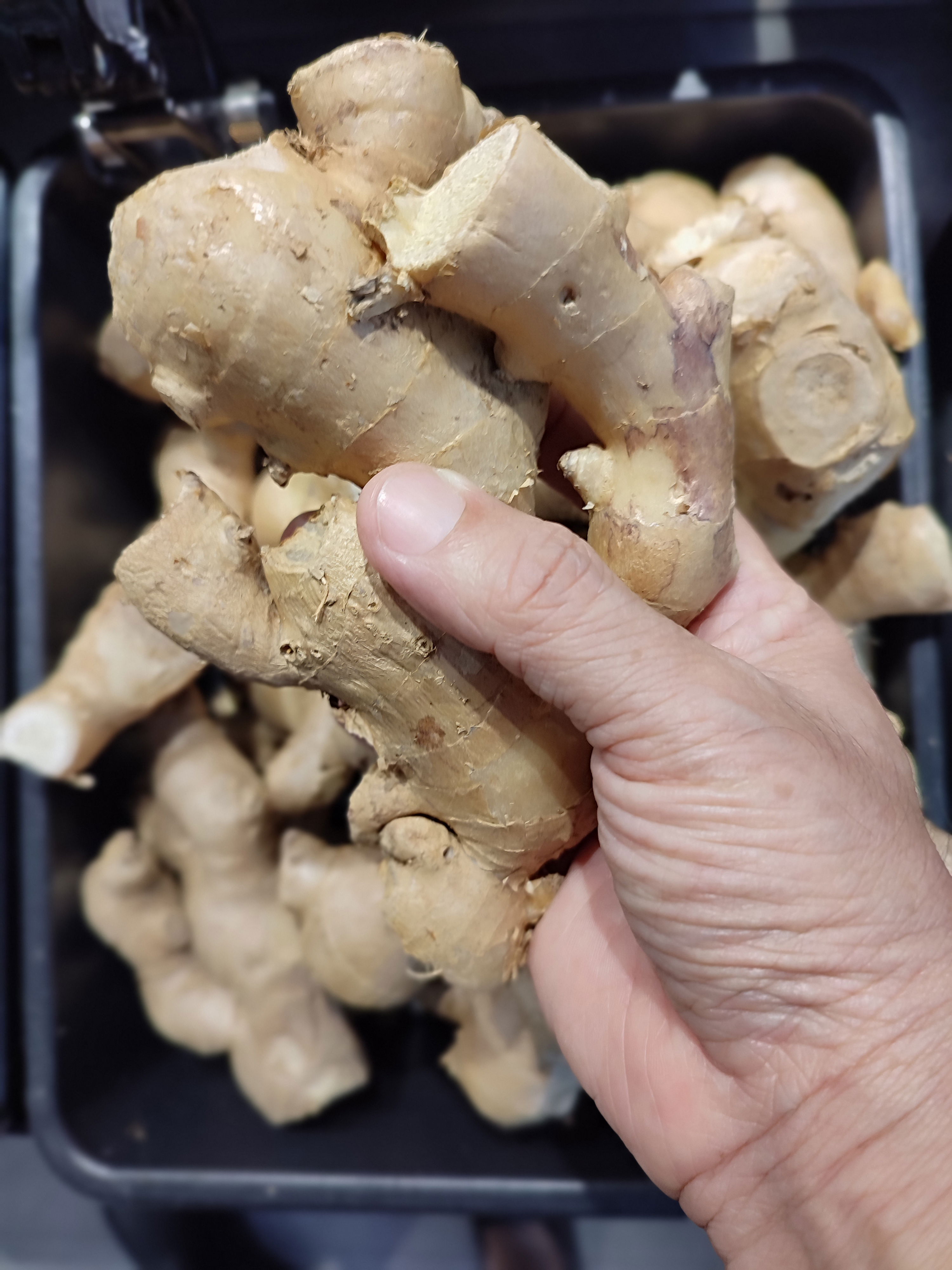
Yes, you can grow ginger from store-bought ginger root as long as it has healthy buds or "eyes" for sprouting.
3. What is the best time of year to plant ginger seeds?
The best time to plant ginger seeds is in the spring, after the last frost, when the soil has warmed up.
4. Are there any specific pests I should watch for when growing ginger?
Common pests to monitor include spider mites, aphids, and root-knot nematodes. Regular inspection and proper care can help prevent infestations.